Skip to content
Lorem ipsum dolor sit amet, consectetur adipiscing elit. Sed ac turpis vitae ante mattis lobortis. Nulla semper volutpat elementum. Nulla rutrum nec massa vel posuere. Donec egestas suscipit ex, nec pulvinar nibh dictum sed. Nunc nec imperdiet lectus, et bibendum enim. Quisque congue dignissim est, vel dignissim metus iaculis facilisis. Curabitur in pulvinar purus, non pellentesque massa. Suspendisse urna sem, vestibulum quis lorem id, eleifend tempor nibh. Integer eu erat scelerisque, faucibus urna quis, convallis velit. Praesent in auctor metus, id consectetur erat. Mauris luctus aliquam est nec tristique. Cras fermentum mauris mi, at fermentum massa cursus sed.Lorem ipsum dolor sit amet, consectetur adipiscing elit. Sed ac turpis vitae ante mattis lobortis. Nulla semper volutpat elementum. Nulla rutrum nec massa vel posuere. Donec egestas suscipit ex, nec pulvinar nibh dictum sed. Nunc nec imperdiet lectus, et bibendum enim. Quisque congue dignissim est, vel dignissim metus iaculis facilisis. Curabitur in pulvinar purus, non pellentesque massa. Suspendisse urna sem, vestibulum quis lorem id, eleifend tempor nibh. Integer eu erat scelerisque, faucibus urna quis, convallis velit. Praesent in auctor metus, id consectetur erat. Mauris luctus aliquam est nec tristique. Cras fermentum mauris mi, at fermentum massa cursus sed.

Lorem ipsum dolor sit amet, consectetur adipiscing elit. Sed ac turpis vitae ante mattis lobortis. Nulla semper volutpat elementum. Nulla rutrum nec massa vel posuere. Donec egestas suscipit ex, nec pulvinar nibh dictum sed. Nunc nec imperdiet lectus, et bibendum enim. Quisque congue dignissim est, vel dignissim metus iaculis facilisis. Curabitur in pulvinar purus, non pellentesque massa. Suspendisse urna sem, vestibulum quis lorem id, eleifend tempor nibh. Integer eu erat scelerisque, faucibus urna quis, convallis velit. Praesent in auctor metus, id consectetur erat. Mauris luctus aliquam est nec tristique. Cras fermentum mauris mi, at fermentum massa cursus sed.Lorem ipsum dolor sit amet, consectetur adipiscing elit. Sed ac turpis vitae ante mattis lobortis. Nulla semper volutpat elementum. Nulla rutrum nec massa vel posuere. Donec egestas suscipit ex, nec pulvinar nibh dictum sed. Nunc nec imperdiet lectus, et bibendum enim. Quisque congue dignissim est, vel dignissim metus iaculis facilisis. Curabitur in pulvinar purus, non pellentesque massa. Suspendisse urna sem, vestibulum quis lorem id, eleifend tempor nibh. Integer eu erat scelerisque, faucibus urna quis, convallis velit. Praesent in auctor metus, id consectetur erat. Mauris luctus aliquam est nec tristique. Cras fermentum mauris mi, at fermentum massa cursus sed.
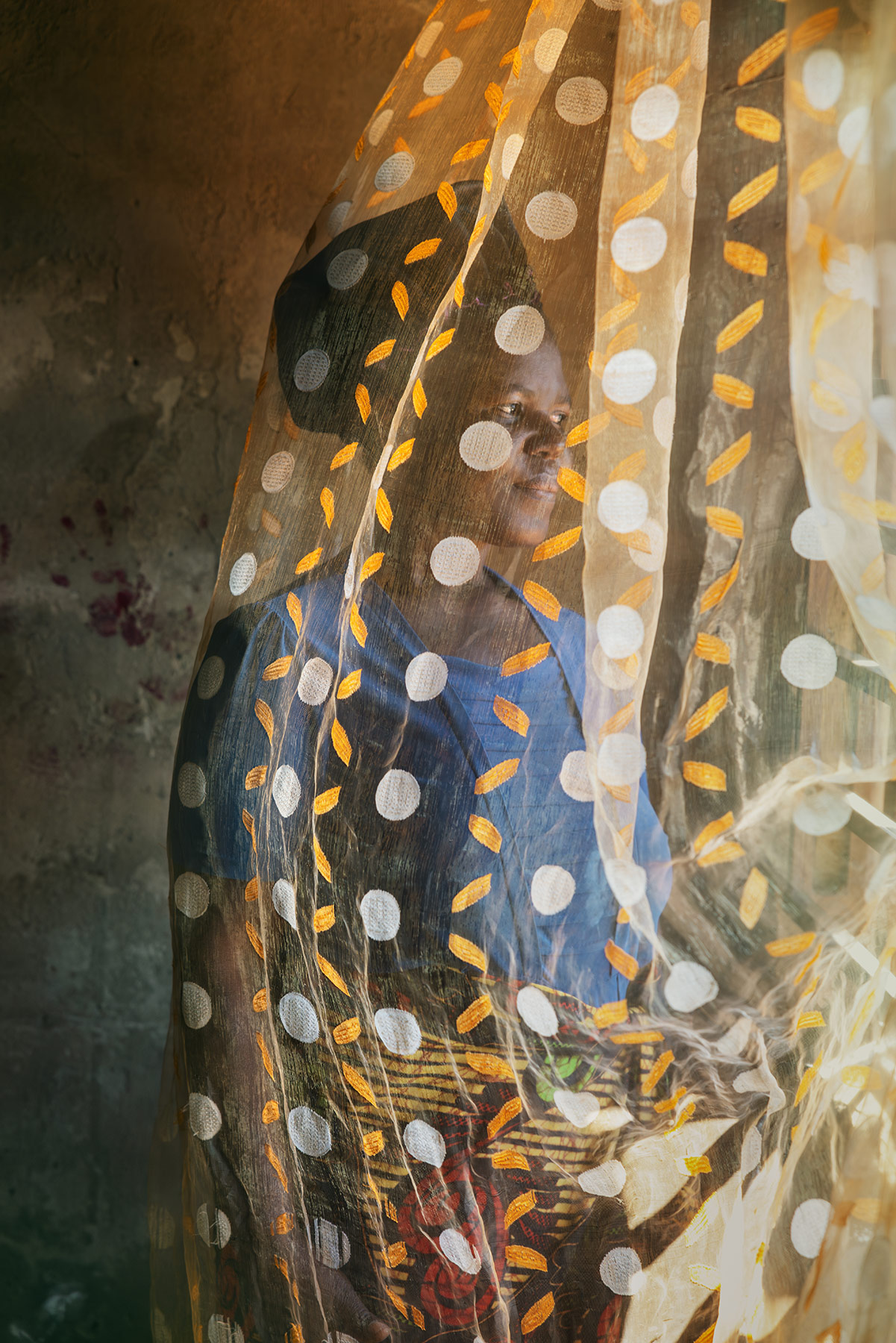
Standing in her living room, Regina Mweeba reflects on her decision to take part in the Schisto! programme. “I wanted to find out more about my health and status, mostly about FGS and HPV. I never experienced any symptoms. Now I had more information about the FGS and HPV and how we get it. It’s very important to spread the news about bilharzia because most of us never knew about how we can get it and that it can be cured,” she explains.
Her story underscores one of the greatest challenges of schistosomiasis: many women are asymptomatic, unaware that parasites are damaging their
genital tract and increasing their vulnerability to HPV and cervical cancer.
An estimated 56 million women in sub-Saharan Africa live with female genital schistosomiasis (FGS)1, a neglected tropical disease caused by parasitic worms in freshwater. Often mistaken for a sexually transmitted infection, FGS fuels stigma and silence — yet its most dangerous link with cervical cancer, one of Africa’s leading killers of women2 and with HIV4.
In Zambia, the pioneering Schista! Research programme3, led by Zambart, a local organization based in Lusaka and the London School of Hygiene & Tropical Medicine in London, UK is breaking new ground.
By integrating self-testing at home for HIV, HPV, STIs, and FGS and clinical screening by midwives in clinic, and through grassroots women advocate groups, it is saving lives and reshaping women’s health.
**Data:
Thank you for your interest in the ‘Parasites’ project!
Access to this gallery is temporarily restricted to photo editors. Please contact me@ana-palacios.com for more information and/or to request a password.
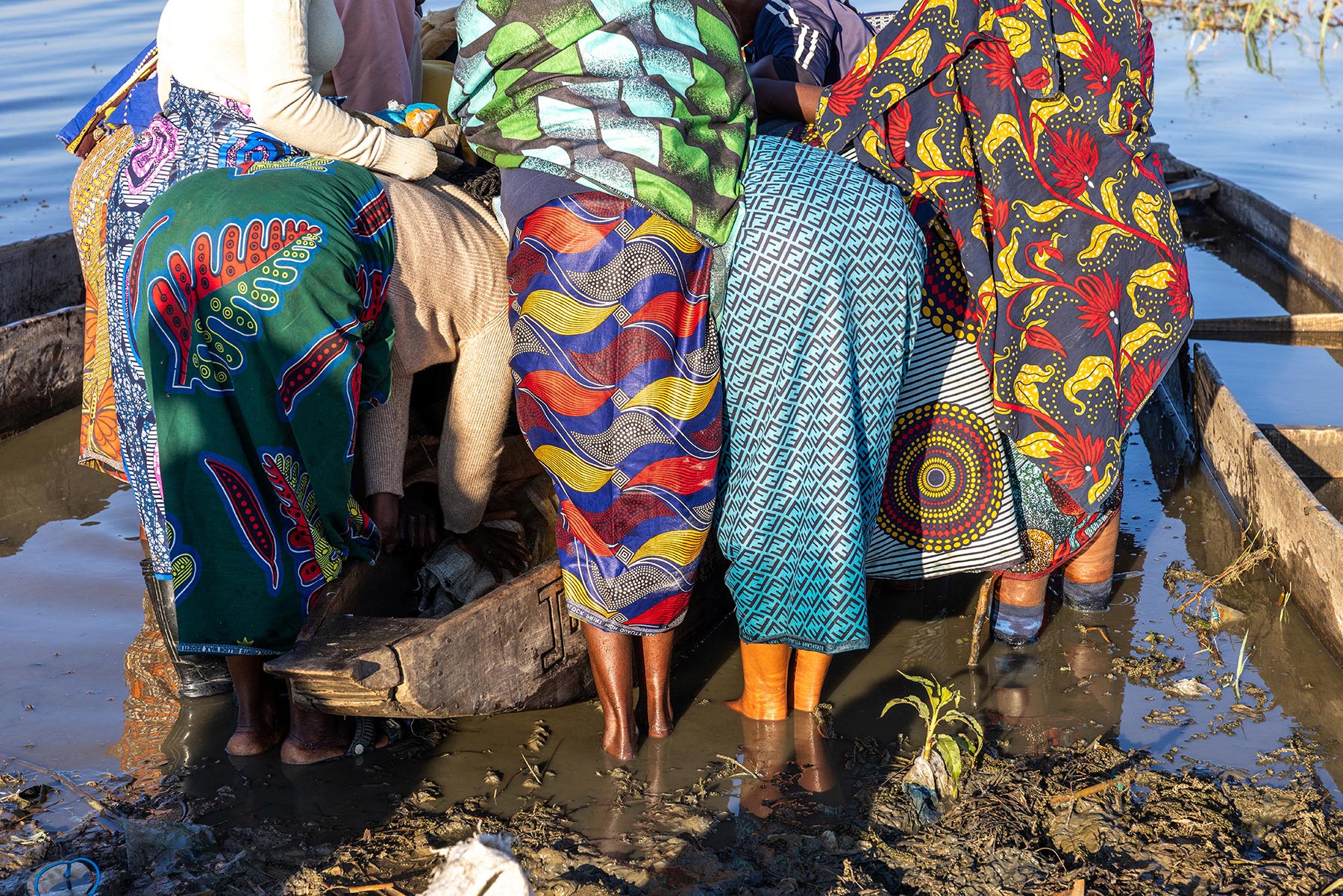
Barefoot women gather at the muddy banks of the Maramba River in Chanyanya Village, Kafue District, dressed with their colorful chitengue clothes as they lean toward a small boat brimming with freshly caught fish. As they stand in shallow water to inspect the morning’s catch, they are unwilingly exposed to Schistosoma haematobium—a parasitic worm that hatches from eggs excreted in the urine of infected humans only a few hours ago. The larvae, known as cercariae, penetrate the skin of anyone who wades in contaminated water. This simple act becomes a silent gateway for infection, particularly in areas of poverty and limited sanitation where little is known about this neglected tropical diseases (NTDs), the second most dangerous parasitic disease after malaria.1
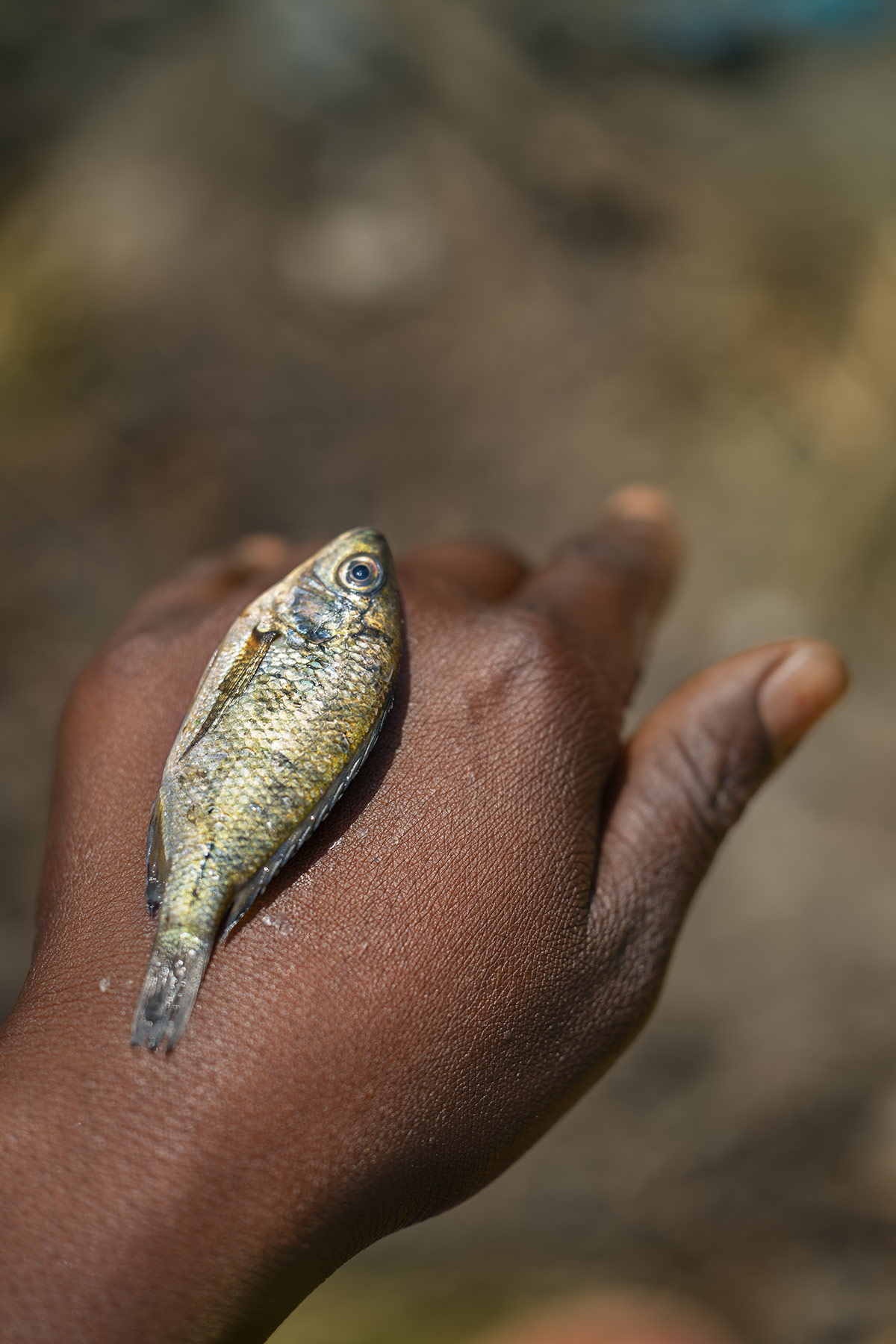
Kateway Kasari stands holding freshly bought fish, her daily work intertwined with hidden health risks. As a participant in the Schista! programme, she learned for the first time about Female Genital Schistosomiasis (FGS), a disease that silently affects millions of women. Although she never experienced symptoms, Regina recalls: “I wanted to find out more about my health and status, mostly about FGS and HPV… It’s very important to spread the news about Bilharzia because most of us never knew about how we can get it and that it can be cured.”

Rhythms Monthly Taiwan
May 2026
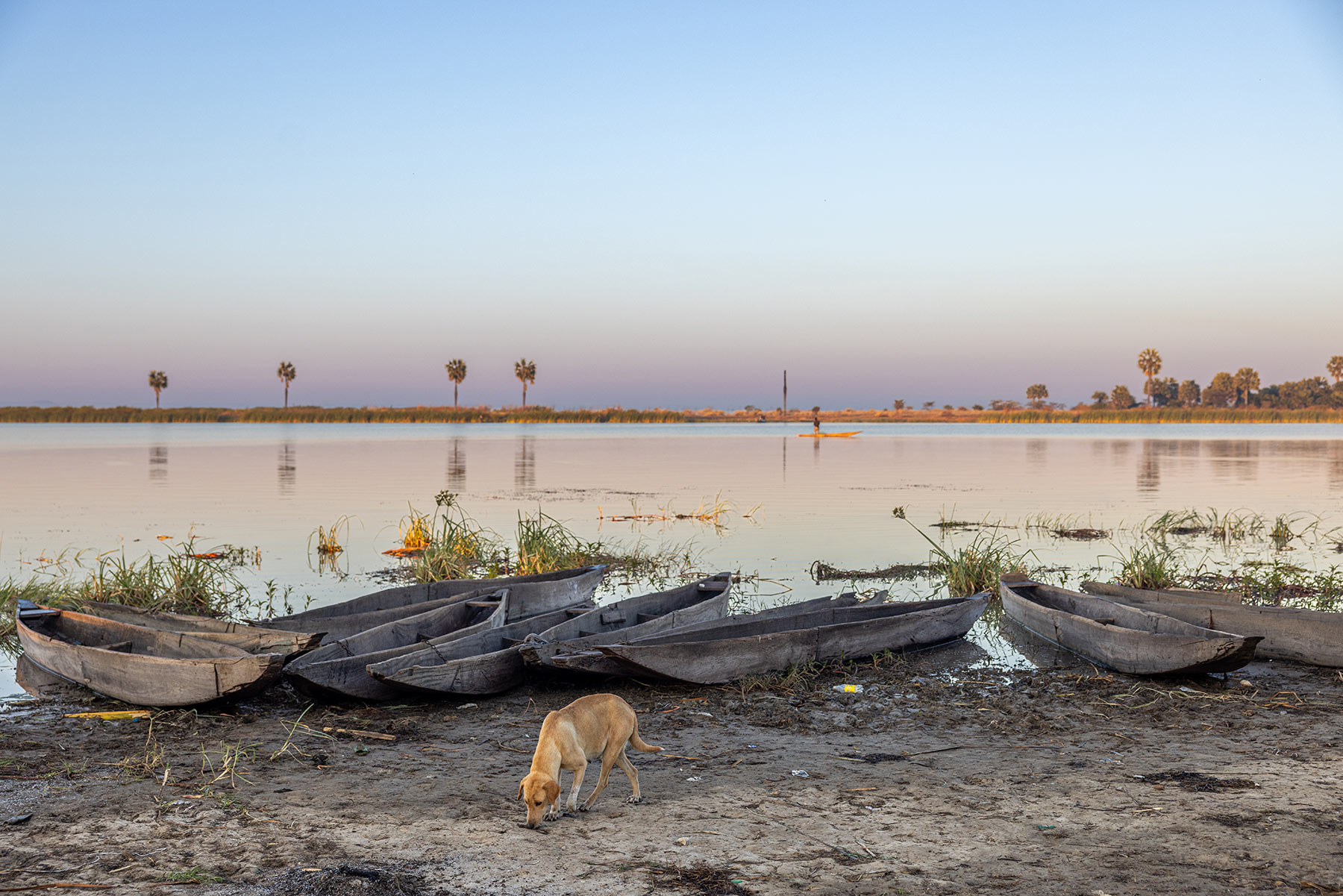
The dawn lights up the Kafue River’s tranquil surface in Chanyanya Village, Kafue District. At this early hour, before fishermen arrive with their catch, the water harbors free-swimming schistosome larvae. Without visible signs, the risk persists: if infected people have urinated into the river upstream, those cercariae can linger, ready to penetrate the skin of anyone who touches the water. In communities where hygienic facilities and clean water access are scarce, rivers remain a necessary lifeline and simultaneously, a place of transmission.
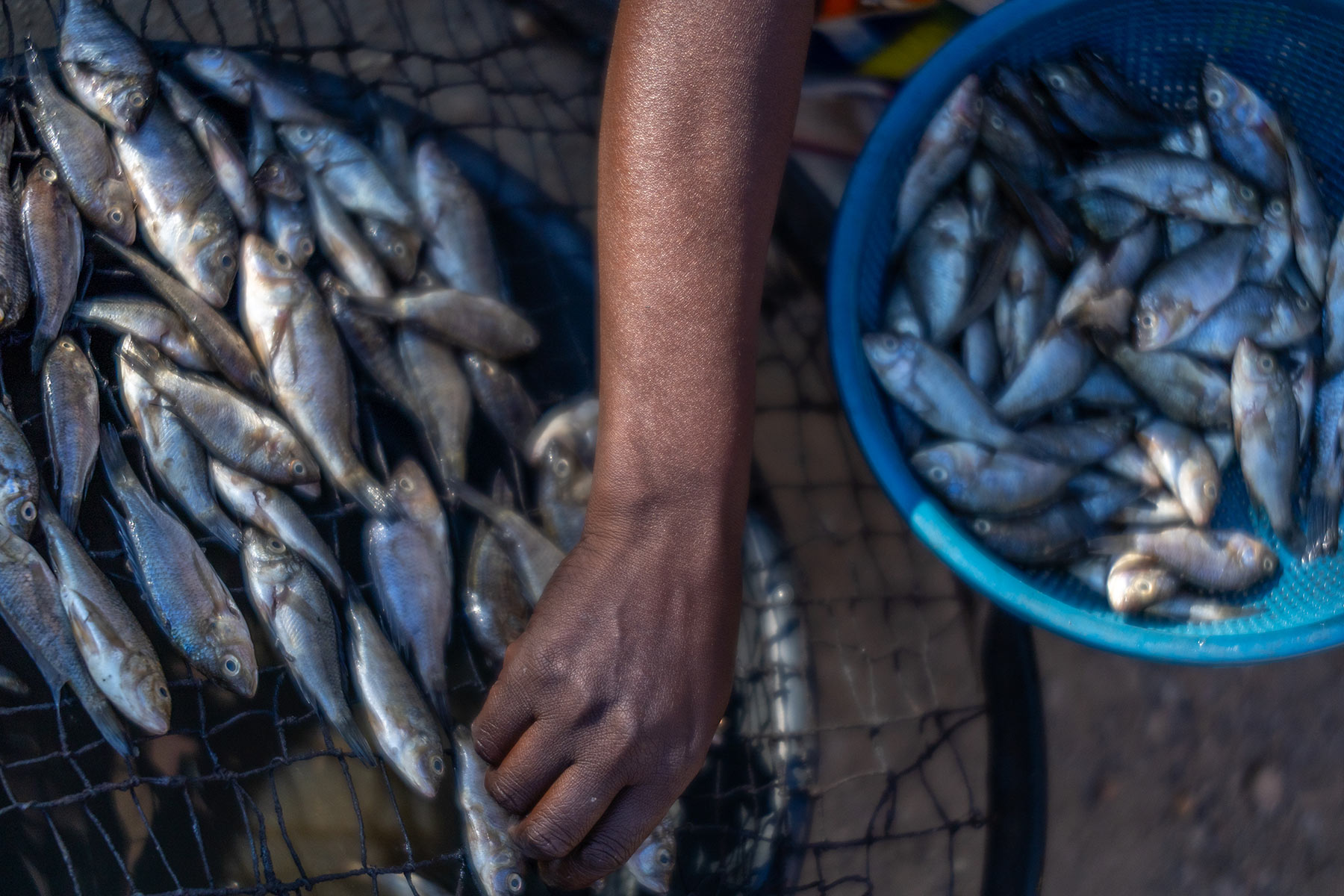
Mercy Mukuma arranges today’s fresh fish on a raised drying rack , will be soon ready for the market. The fish, bought at the riverbank market, is part of a routine deeply entwined with risk. Because the river is used for daily chores—washing, wading, communal use—the same water that touches her hands and feet may carry schistosome larvae.
These parasites can infect through intact skin, and women often lack the means to avoid contact with the water.
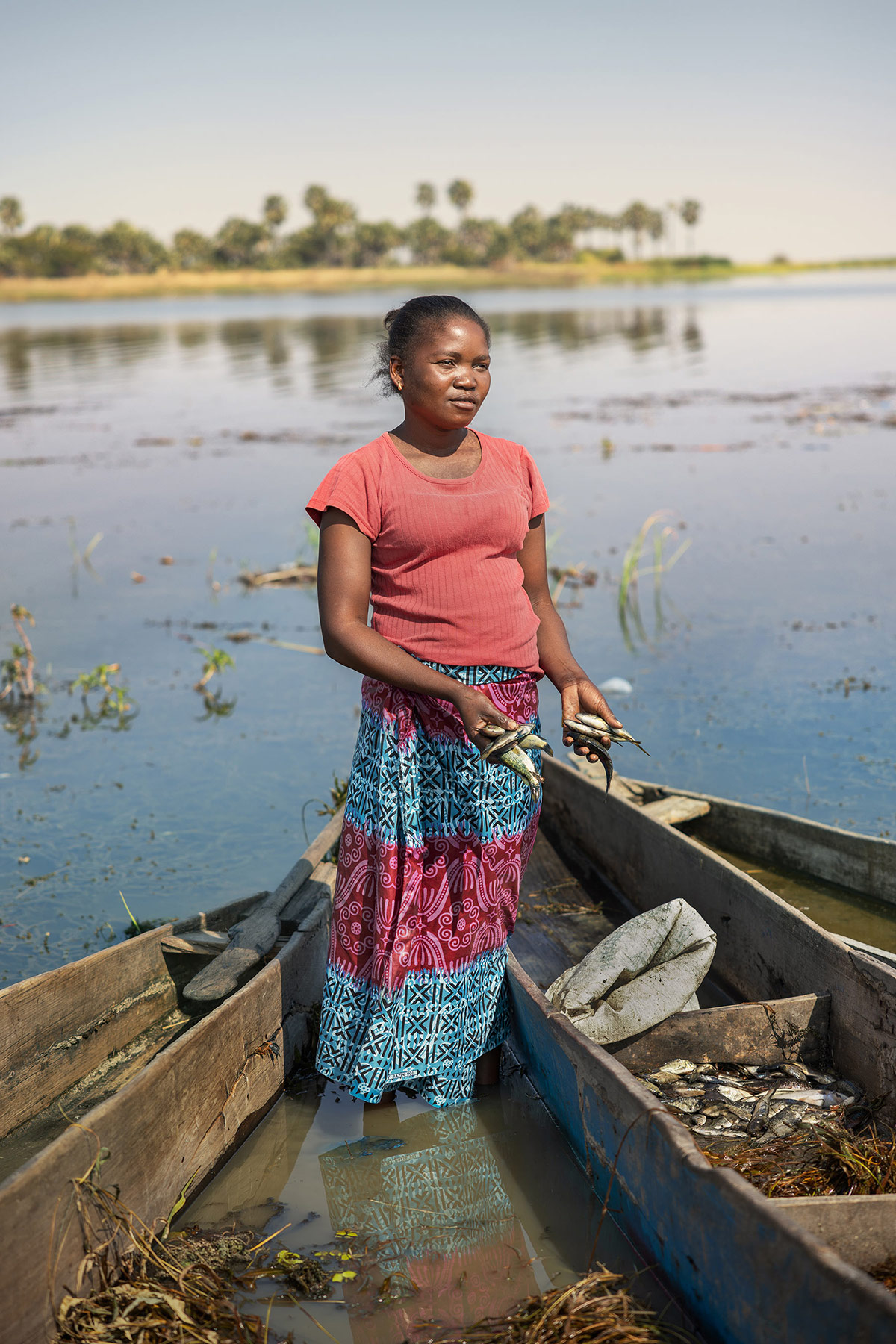
Kateway Kasari stands holding freshly bought fish, her daily work intertwined with hidden health risks. As a participant in the Schista! programme, she learned for the first time about Female Genital Schistosomiasis (FGS), a disease that silently affects millions of women. Although she never experienced symptoms, Regina recalls: “I wanted to find out more about my health and status, mostly about FGS and HPV… It’s very important to spread the news about Bilharzia because most of us never knew about how we can get it and that it can be cured.”
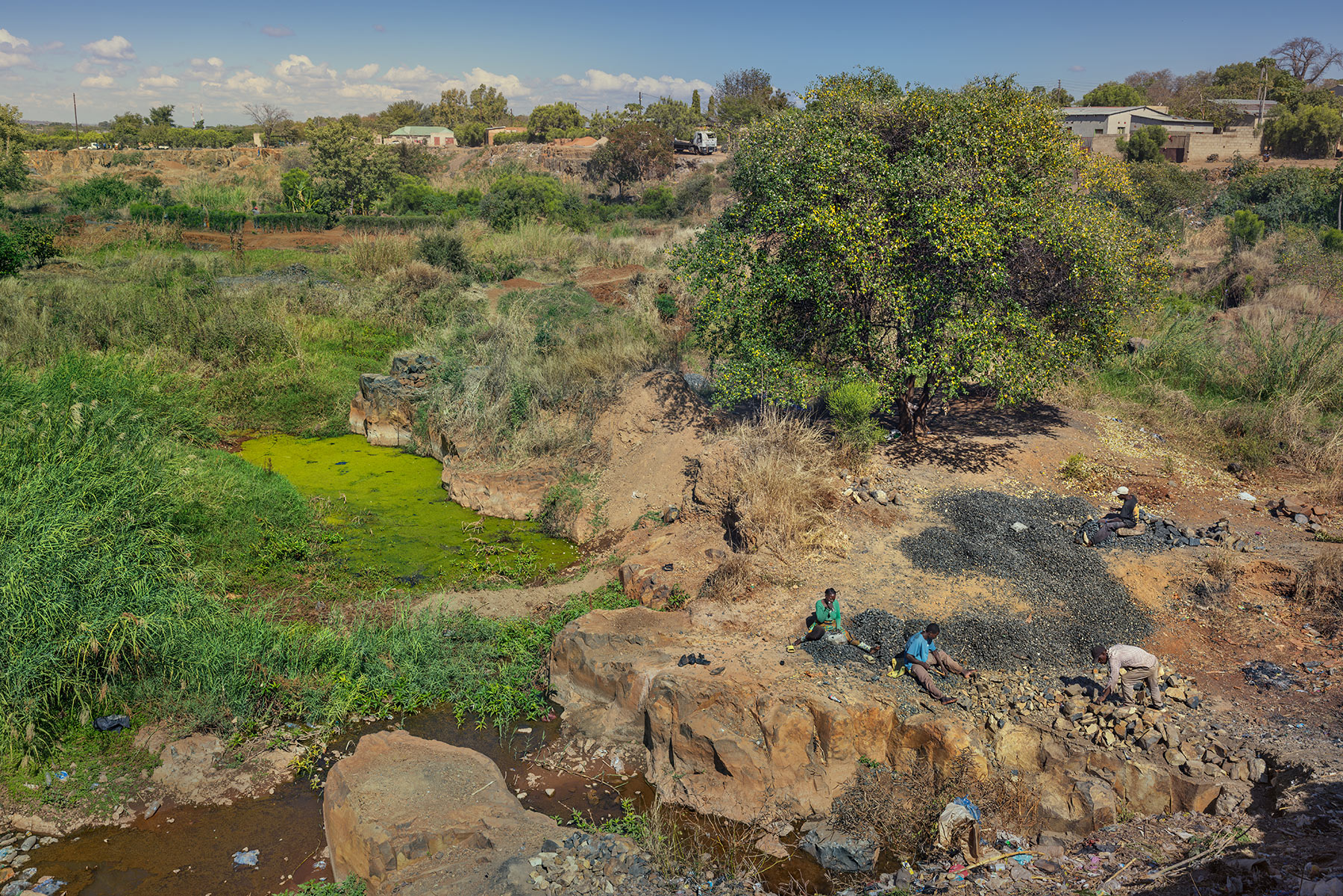
The Ngwenya Quarry bustles with the sound of hammers breaking stone, but nearby stagnant streams pose a silent hazard. These small bodies of water, essential for domestic use, are also breeding grounds for schistosome larvae. Women fetching water expose their skin daily, unaware of the risks of Female Genital Schistosomiasis.
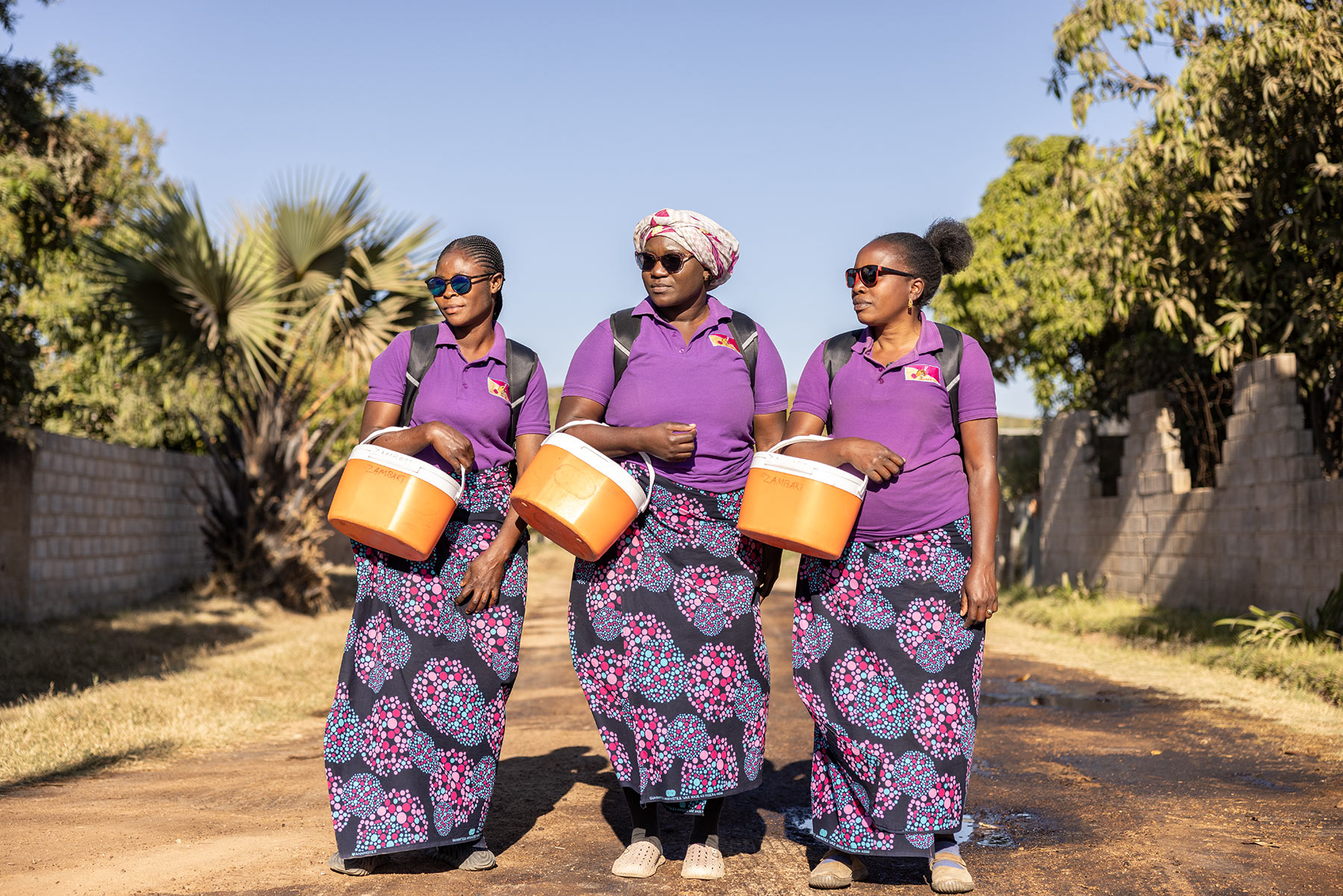
Molen Nyoshe, Janet Chisaila, and Melisa Choongo stand prepared, coolers in hand, carrying diagnostic kits for schistosomiasis, HPV, and HIV.
As Research Assistants in the Schista! programme, today they will walk door-to-door in Shikoshwe in Kafue District is offering women private and stigma-free testing and counselling on the diseases.
Their work is vital for diseminating the information on these different but interconnected diseases. FGS remains neglected, yet its genital symptoms often mirror sexually transmitted infections, fueling silence and shame. Women fear gossip more than illness, preferring not to test rather than risk being labeled. By bringing testing directly at their own homes, they create safe spaces where women can confront hidden diseases without fear and fight the stereotypes.
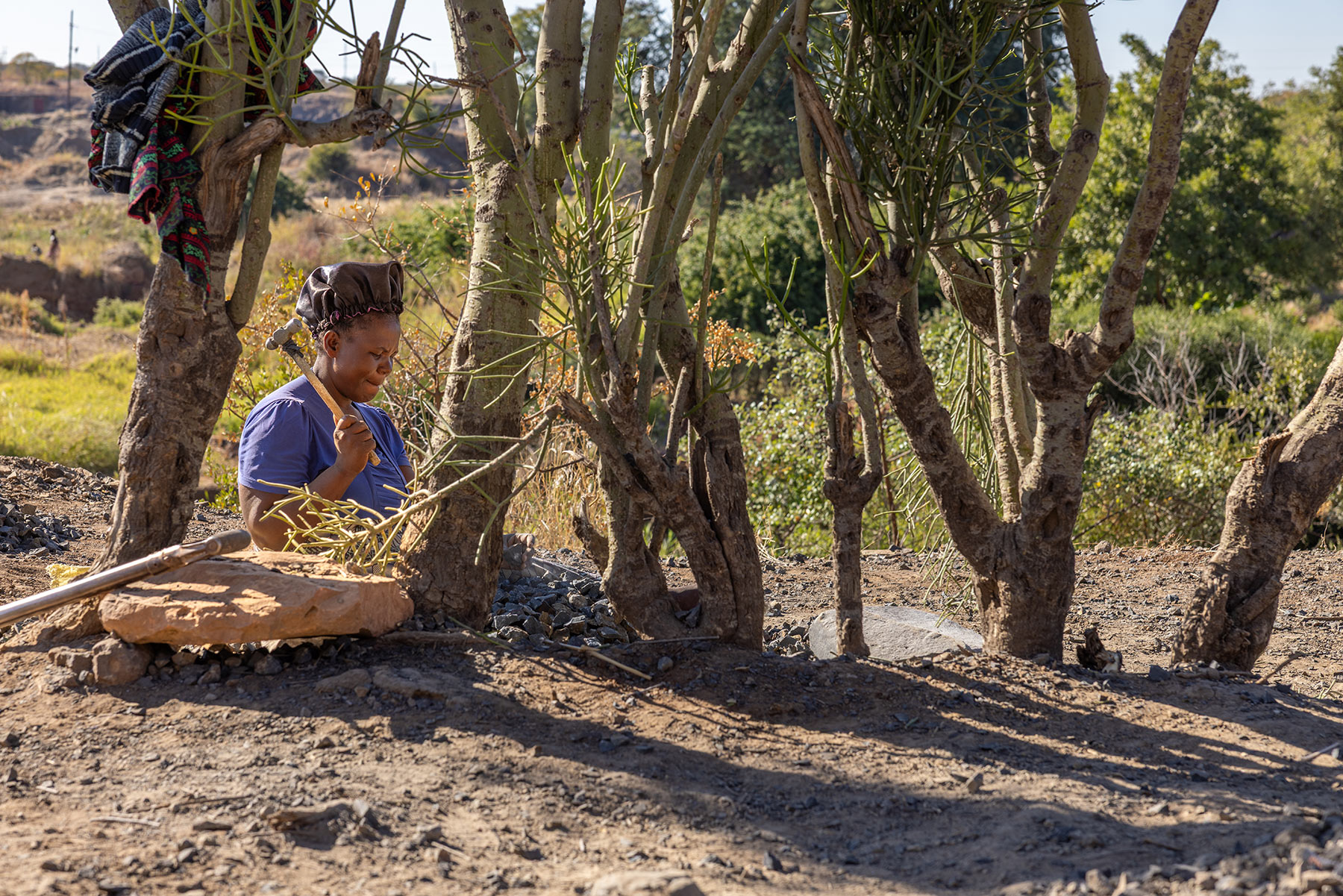
Regina Mweeba, stone crusher at the Ngwenya Quarry and participant of the Schisto! Programme recalls: “I wanted to find out more about my health and status, mostly about FGS and HPV… It’s very important to spread the news about Bilharzia because most of us never knew about how we can get it and that it can be cured.”

Mundo Negro
May 2026
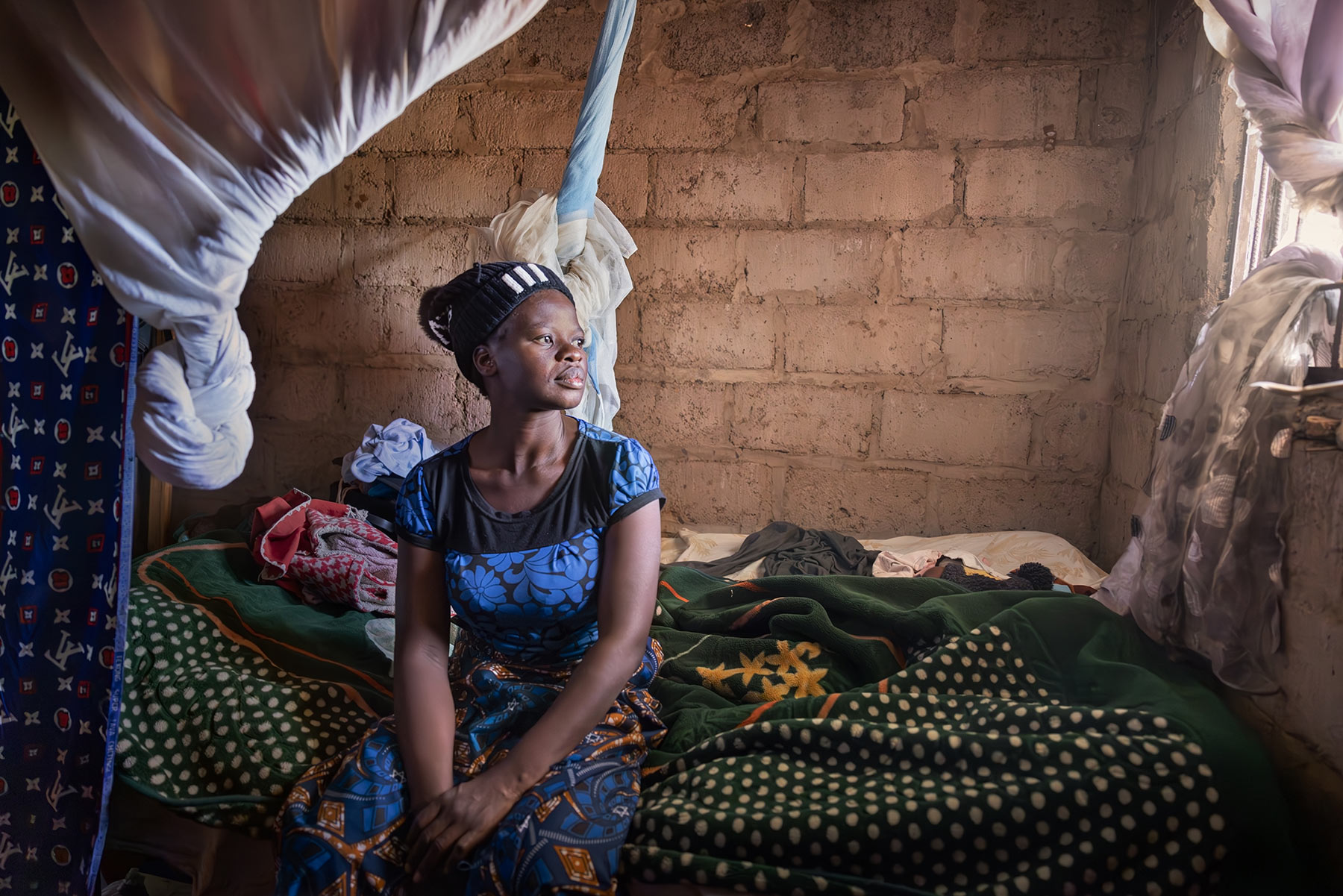
Portrait of Mervis Siya Kwasiya inside her home in Maramba Ngwenya, Livingstone, South District.
“I have been part of this study since 2022. ”I have received a lot of information on health especially on HPV and FGS. I tested positive for HPV and did biopsy. I am a study champion, and I help the study by encouraging my fellow women to get tested. I am grateful to the programme for all the information that I have received,” she says.
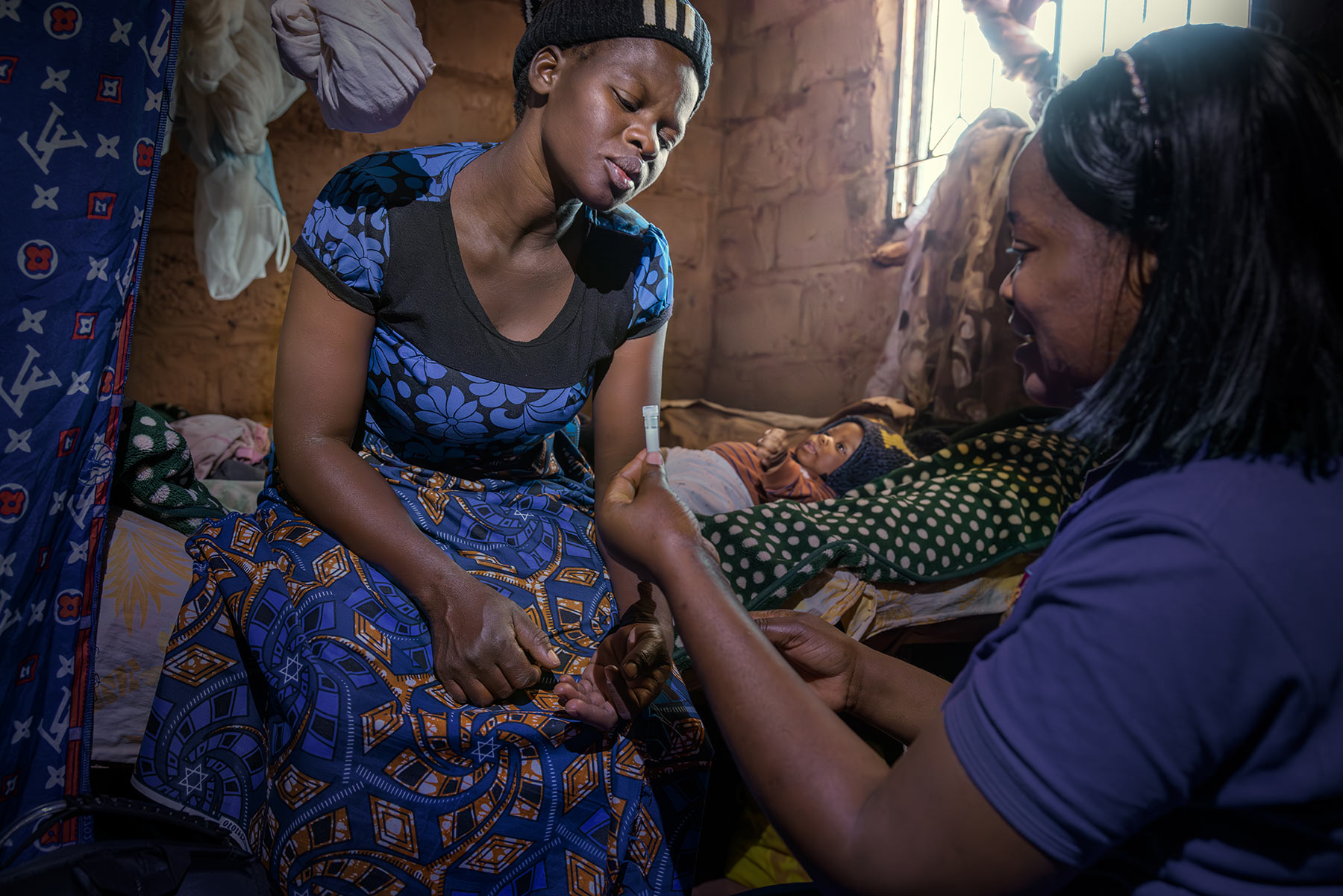
Ruth, Reserach Assitant, explains how the Schista! Programme works to participant Mervis Siya Kwasiya, inside her home in Maramba Ngwenya, Livingstone, South District.
“I have been part of this study since 2022. ”I have received a lot of information on health especially on HPV and FGS. I tested positive for HPV and did biopsy. I am a study champion, and I help the study by encouraging my fellow women to get tested. I am grateful to the programme for all the information that I have received,” she says.
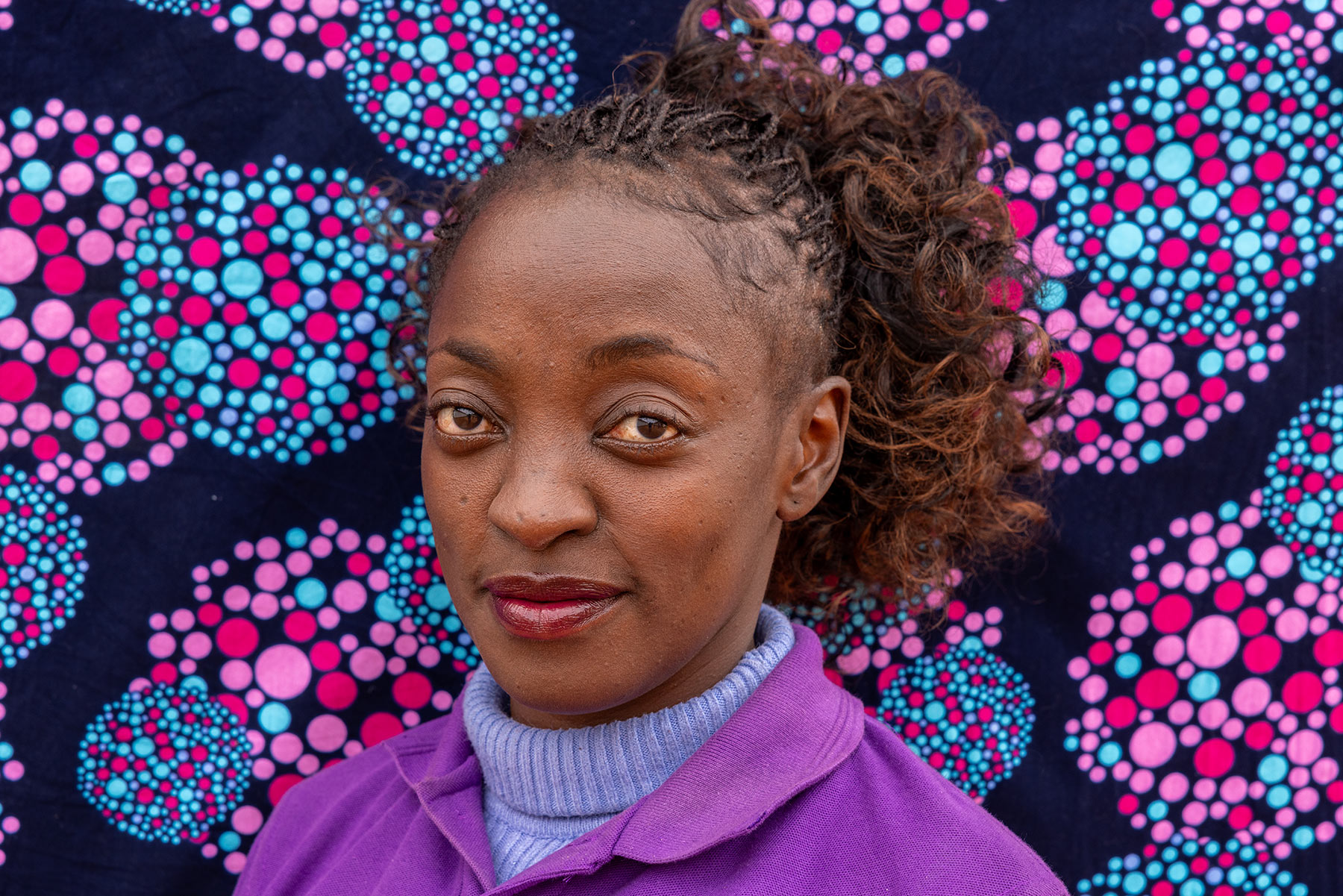
Georgina Munkombwe is one of the community workers in the Schista! program. She travels long distances every day to deliver self-testing kits, explain how to use them, and accompany women throughout the entire process. Her field experience has been essential to overcoming fears, breaking down stigma, and encouraging more and more women to agree to take the tests at home.
“Many women believe that getting tested means they will be told they have cancer,” Georgina explains. “Others think it will be painful or that someone will find out. My job is to help them lose that fear and understand why it is so important.”
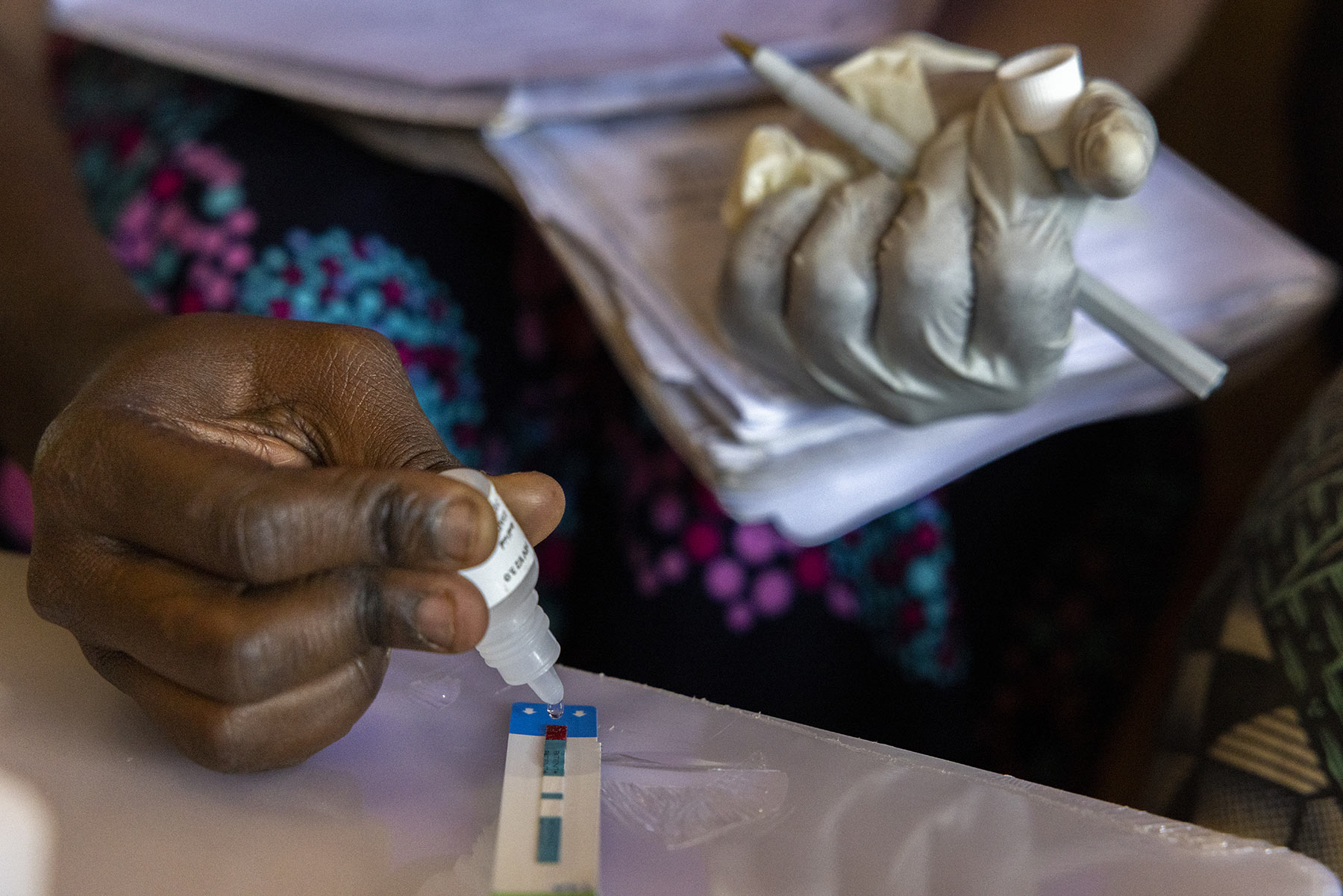
Regina Mweeba, 47 years old, receives the 3rd visit of Georgina Munkombwe, Reseach Assistant, who is now taking her test samples, for a schistosomiasis folllow up within the protocols of the Schista! Programme.
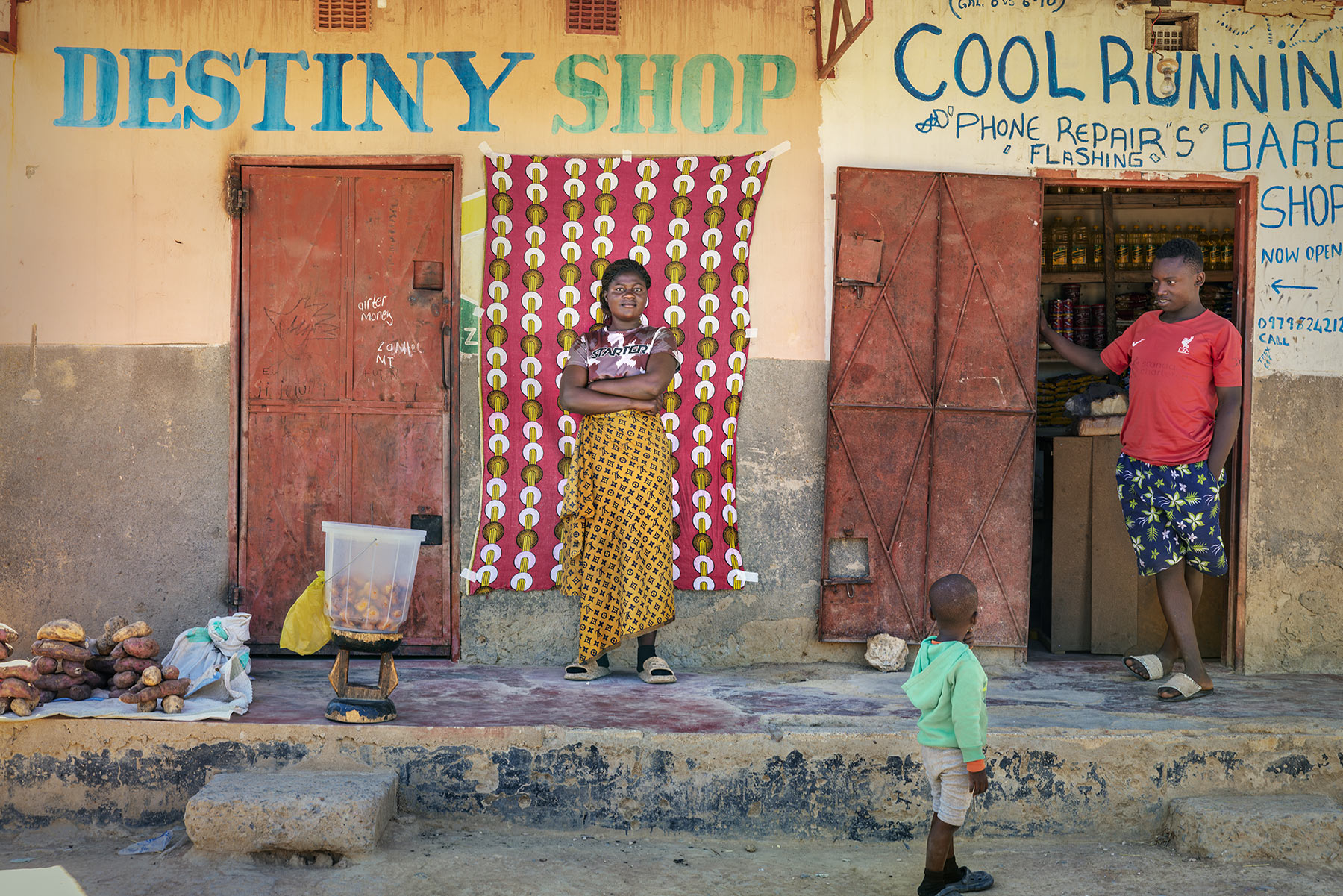
Gracious Makoyoga poses at her doorway in Kalundu View Compound, Kafue District. Now she is a participant in the Schista! programme, but until recently, she had never heard of female genital schistosomiasis, FGS: “She said that she did not have information about FGS and now she is happy that she has the information… She took part in the study and received her results.”
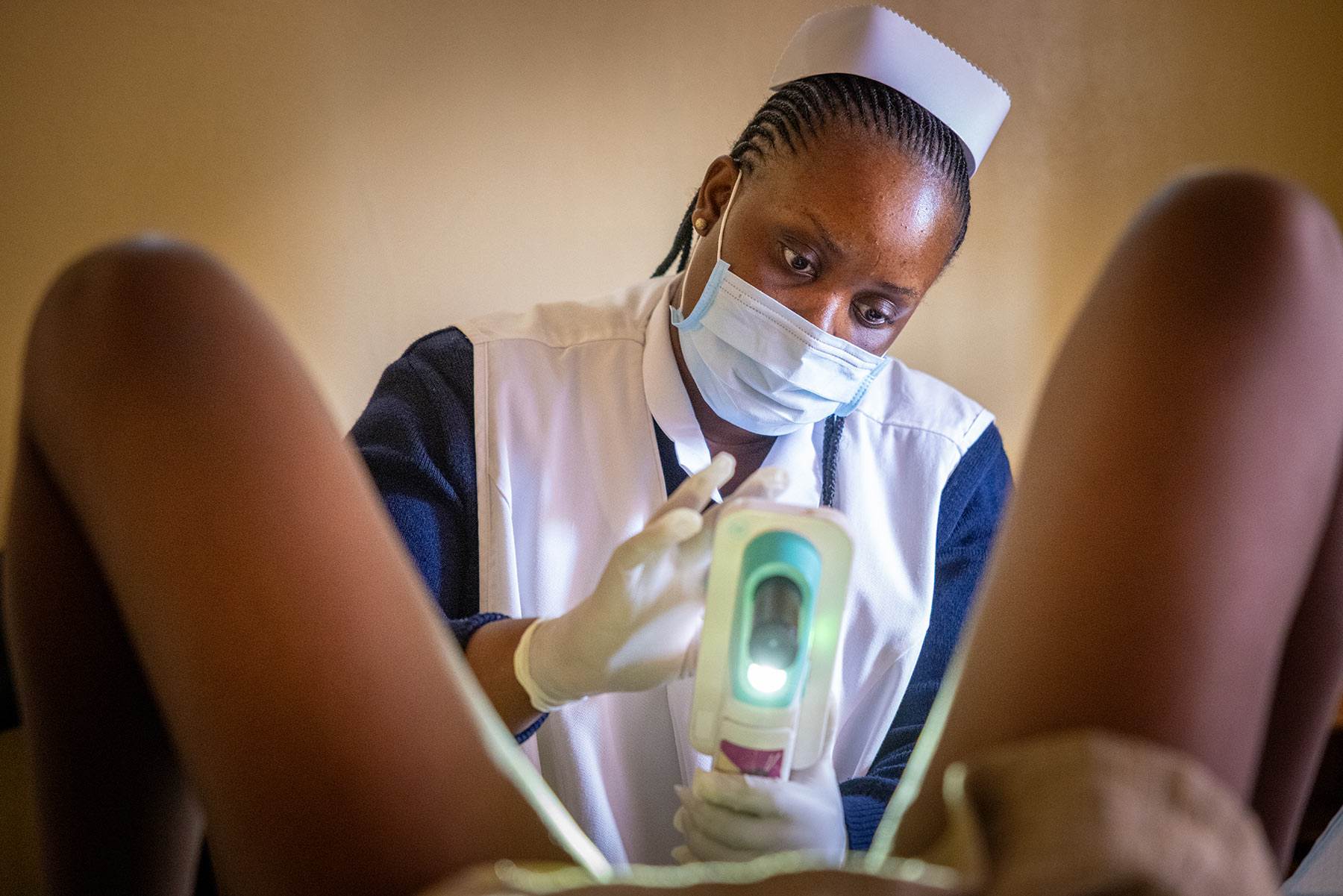
Patient Mervis Siya Kwasiya is being examined by Noria Mukelebai, midwife in Namatama Clinic as parto f the Schista! program.
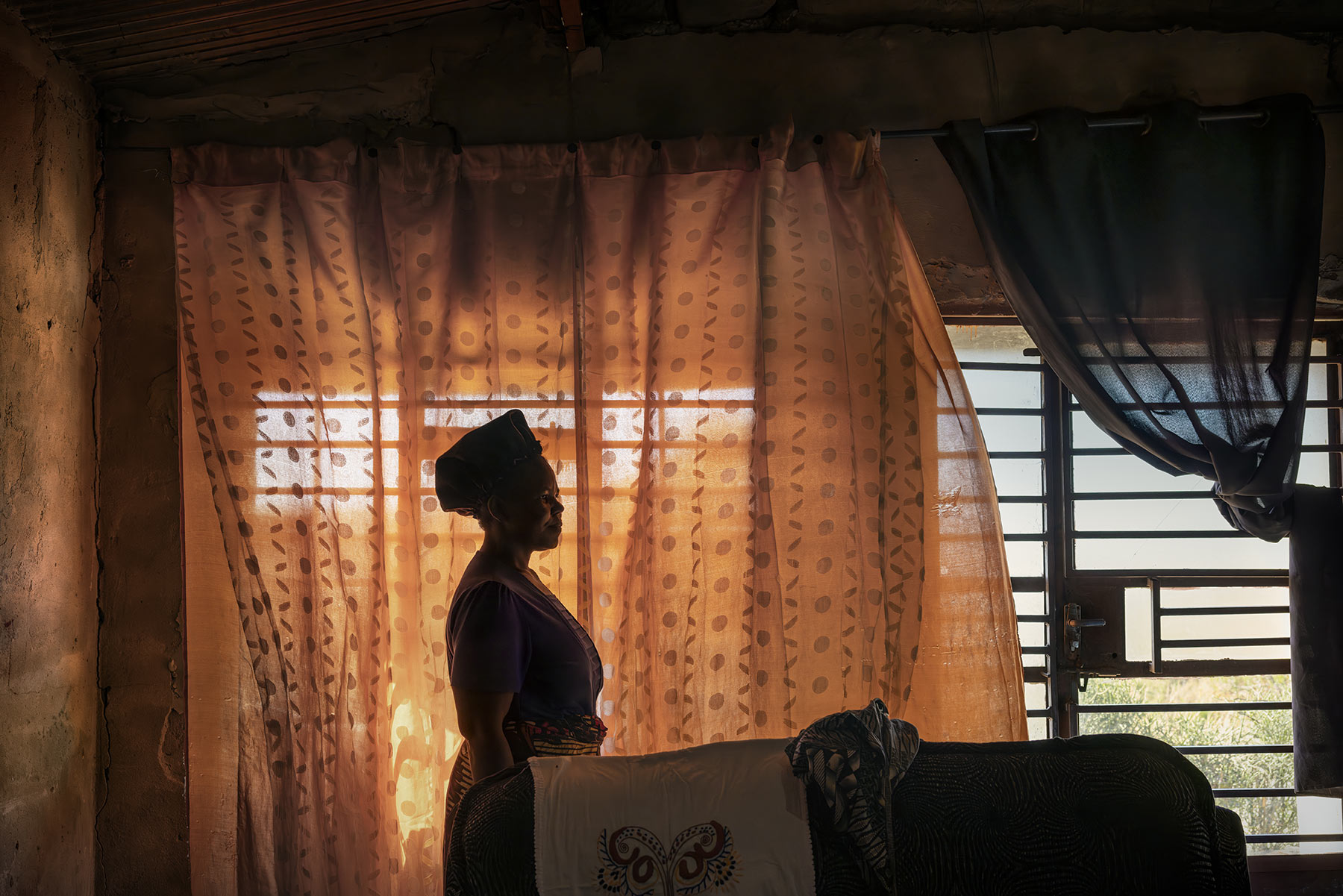
Standing in her living room, Regina Mweeba reflects on her decision to take part in the Schisto! programme. “I wanted to find out more about my health and status, mostly about FGS and HPV. I never experienced any symptoms. Now I had more information about the FGS and HPV and how we get it. It’s very important to spread the news about bilharzia because most of us never knew about how we can get it and that it can be cured,” she explains.
Her story underscores one of the greatest challenges of schistosomiasis: many women are asymptomatic, unaware that parasites are damaging their genital tract and increasing their vulnerability to HPV and cervical cancer.
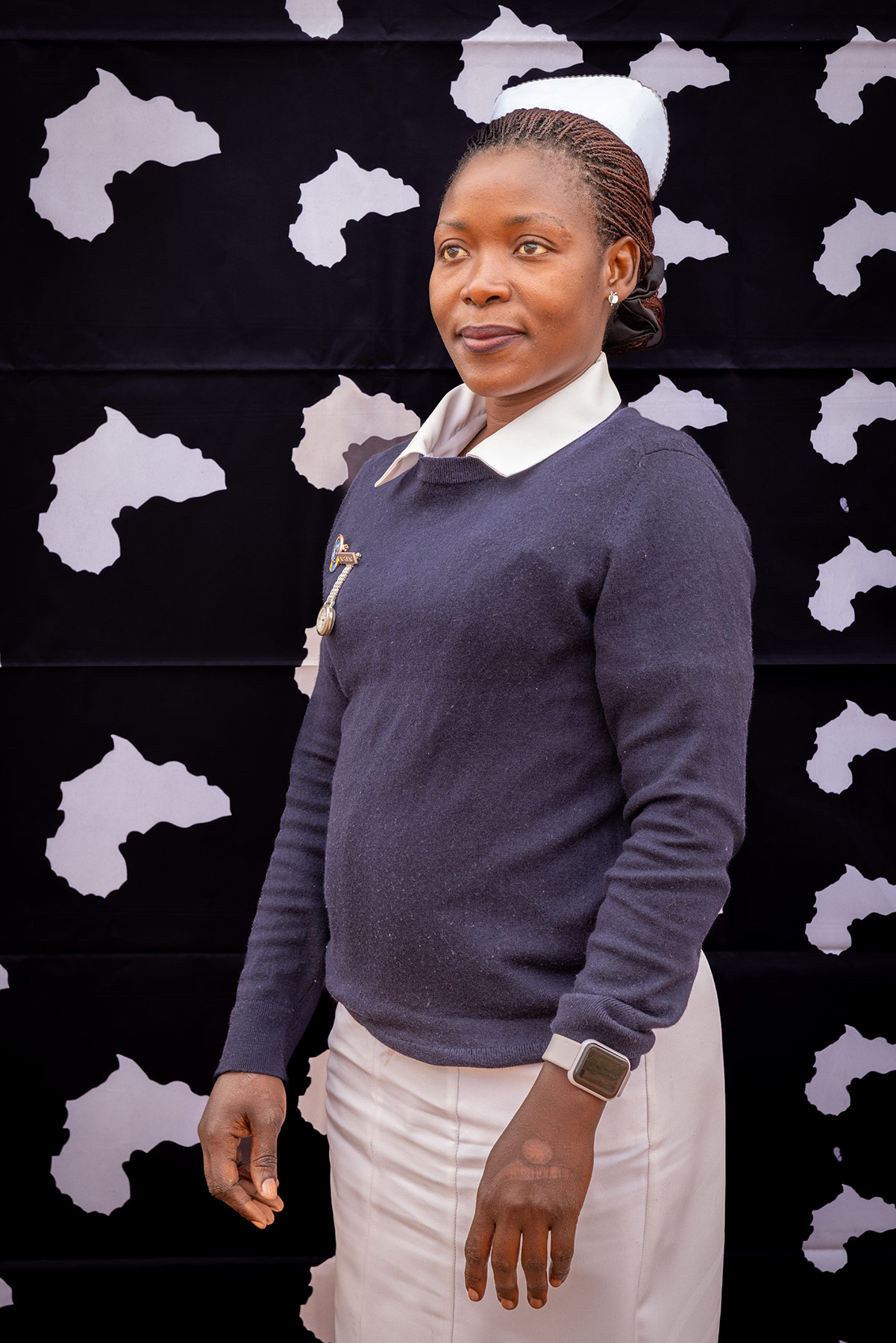
Mercy Wanga. Midwife at Maramba Clinic. By incorporating HPV testing alongside screening for female genital schistosomiasis, the programme addresses the diagnostic challenges posed by overlapping symptoms, reducing stigma and ensuring more women receive appropriate care. As a neglected tropical disease, FGS affects an estimated 56 million women in sub-Saharan Africa, yet often remains hidden due to misdiagnosis and limited healthcare Access.
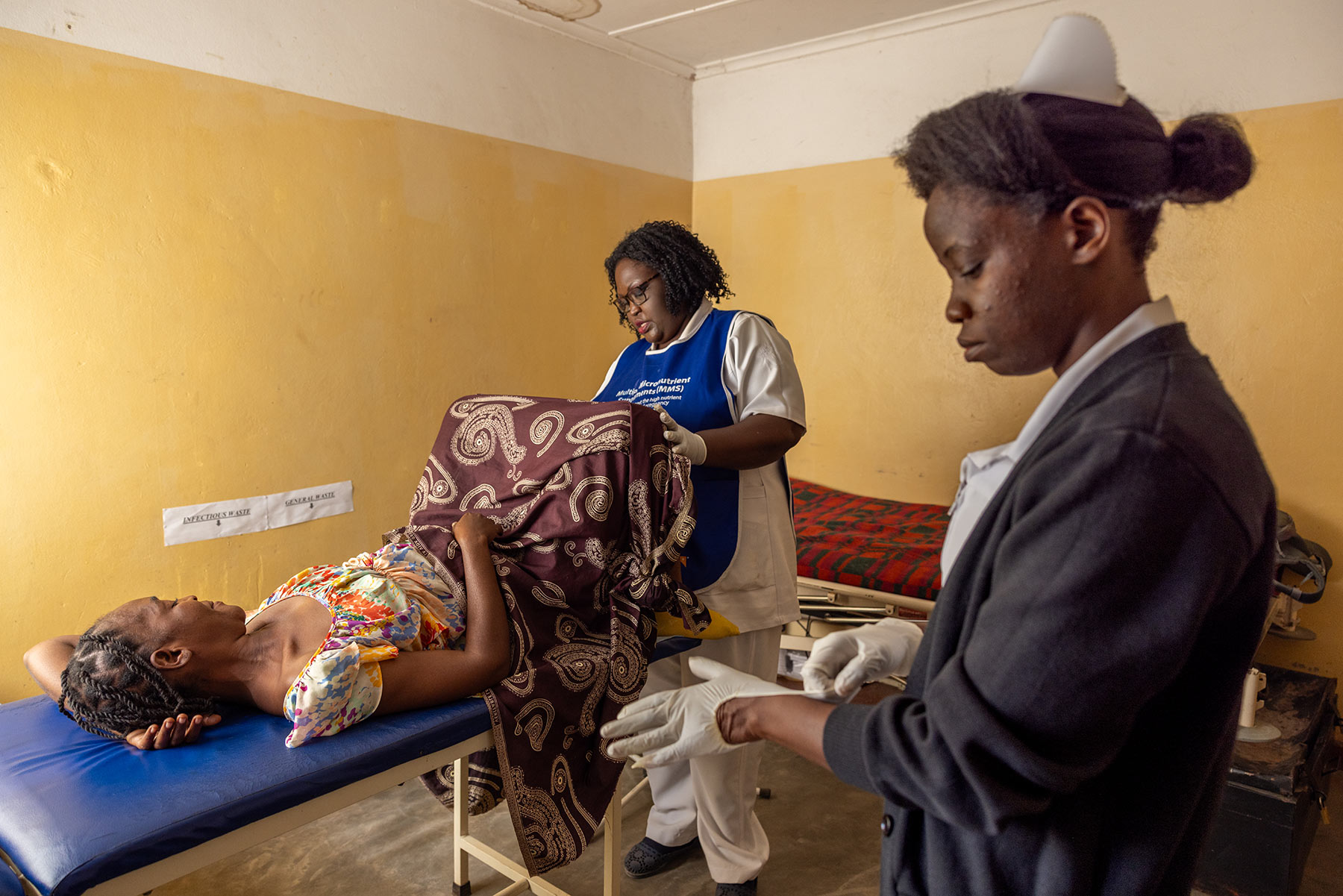
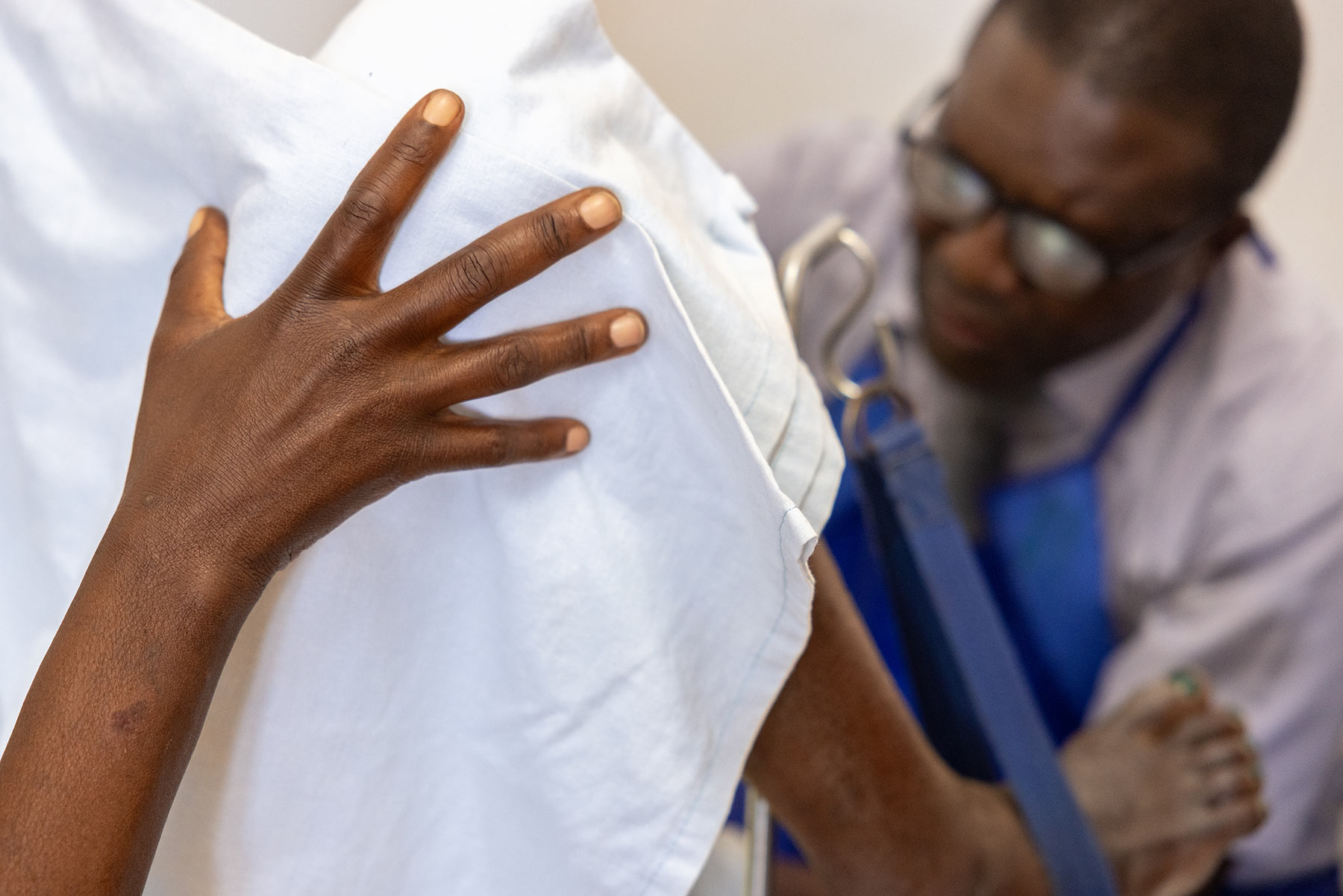
Dr. Isaah Hansingo. Gynecologyst is practising a biopsia on Bridget Siagaba pacient to determine possible cervix cancer as she is a high risk patient. Midwife Mercy Mtonga, is assiting the biopsia procedure.
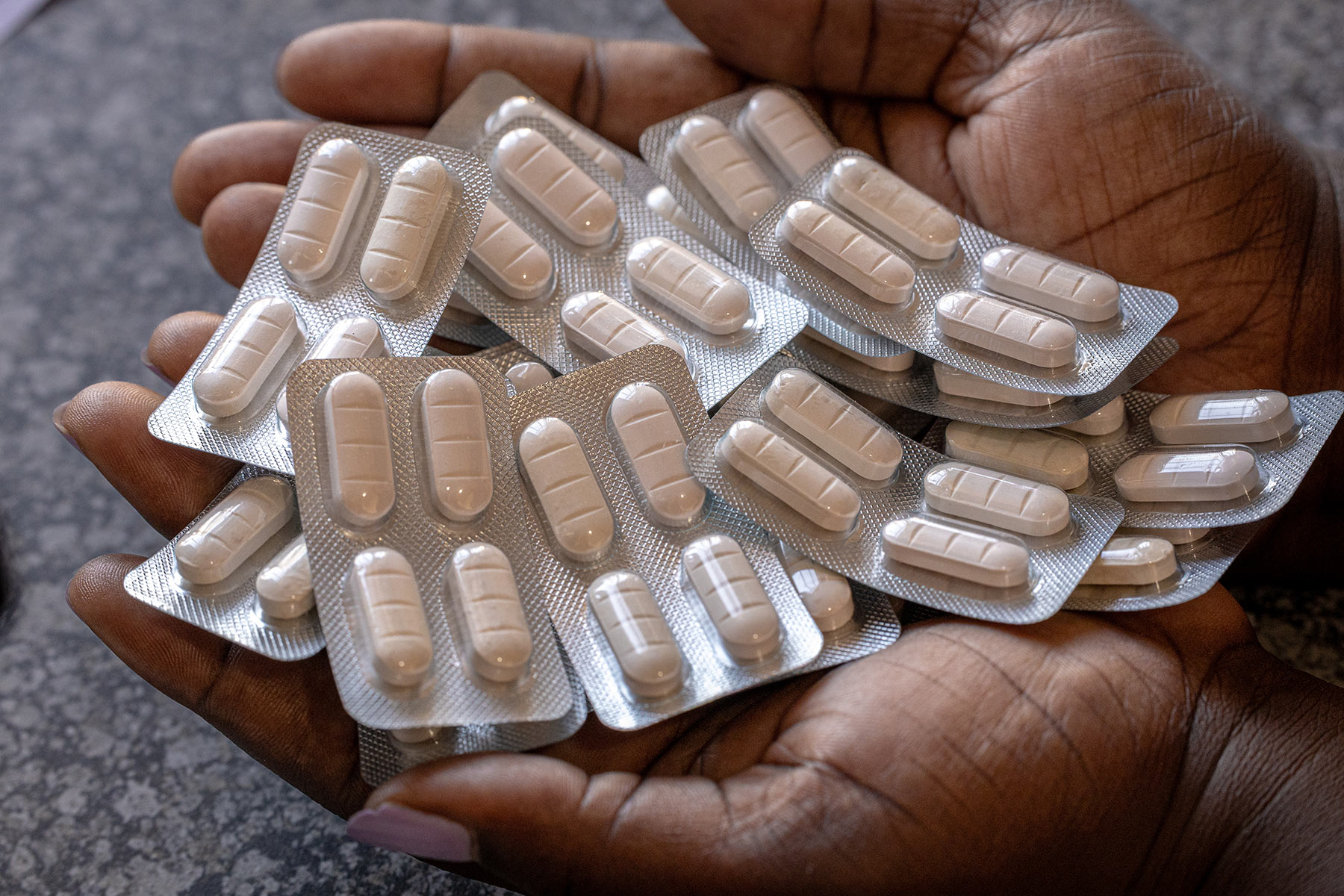
Combined testing ensures accurate diagnosis, reinforces the treatability of FGS via WHO recommended praziquantel (1), and aids early detection of HPV, mitigating progression to cervical cancer.
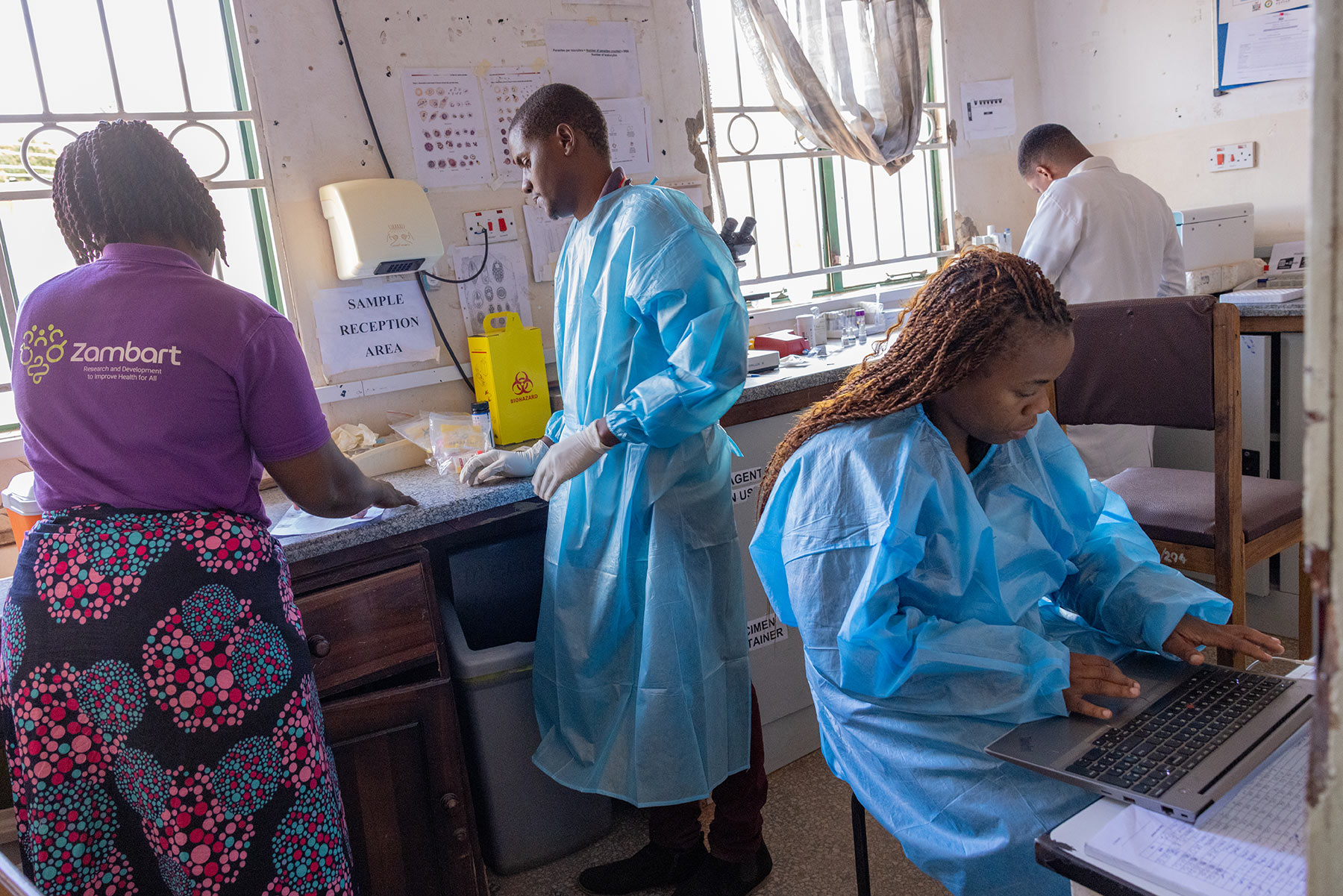
Sandra Phiri. SWC. Reseach Assistant, hands Kelvin Mwaba. Lab technitian consultant, the ourine containers with the simples taken from the participants of the day to be registered and analised.
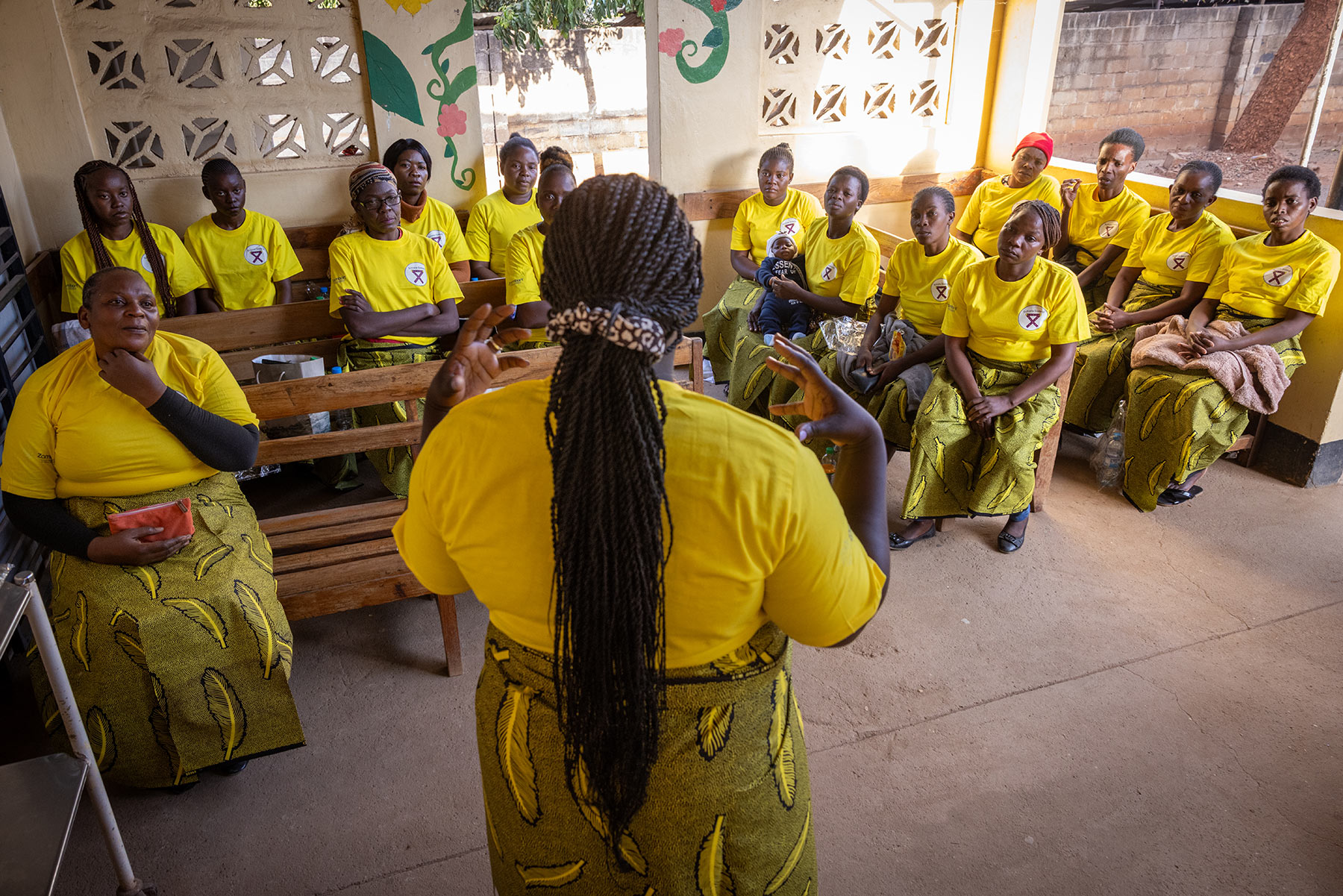
At Maramba Clinic in Livingstone, a group of community leaders calling themselves the “Schista Sisters” listen carefully to Rhoda Noubani, Study Manager at Zambart, to harmonize their approach to health education and provide support.
These women play a crucial role in disseminating accurate information about Female Genital Schistosomiasis (FGS), cervical cancer, and related infections among neighbors who often have little or no prior knowledge of these diseases.
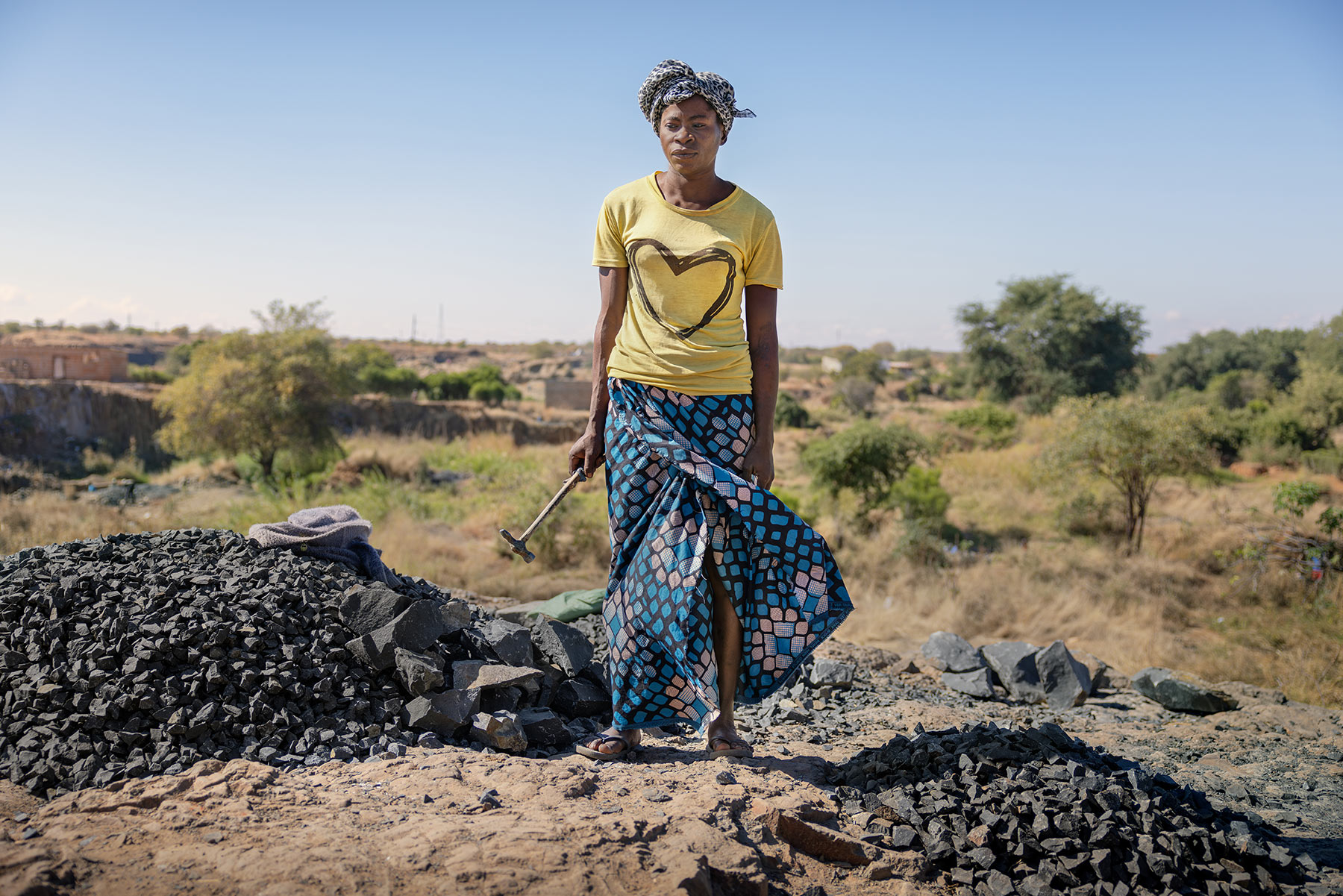
In the quarries of Ngwenya, Costance Pelekelo chisels stones for sale, her labor echoing the daily struggles of many women. She fetches water around half mile from her house in a small river nearby. She once resisted testing for FGS when health workers visited: “When the ladies first came to my house I refused, but after they explained and I heard about the dangers of FGS, I then decided to test.” Like many others, she had no symptoms and saw no reason to worry, until she understood the risks linked to using river water.