 Skip to content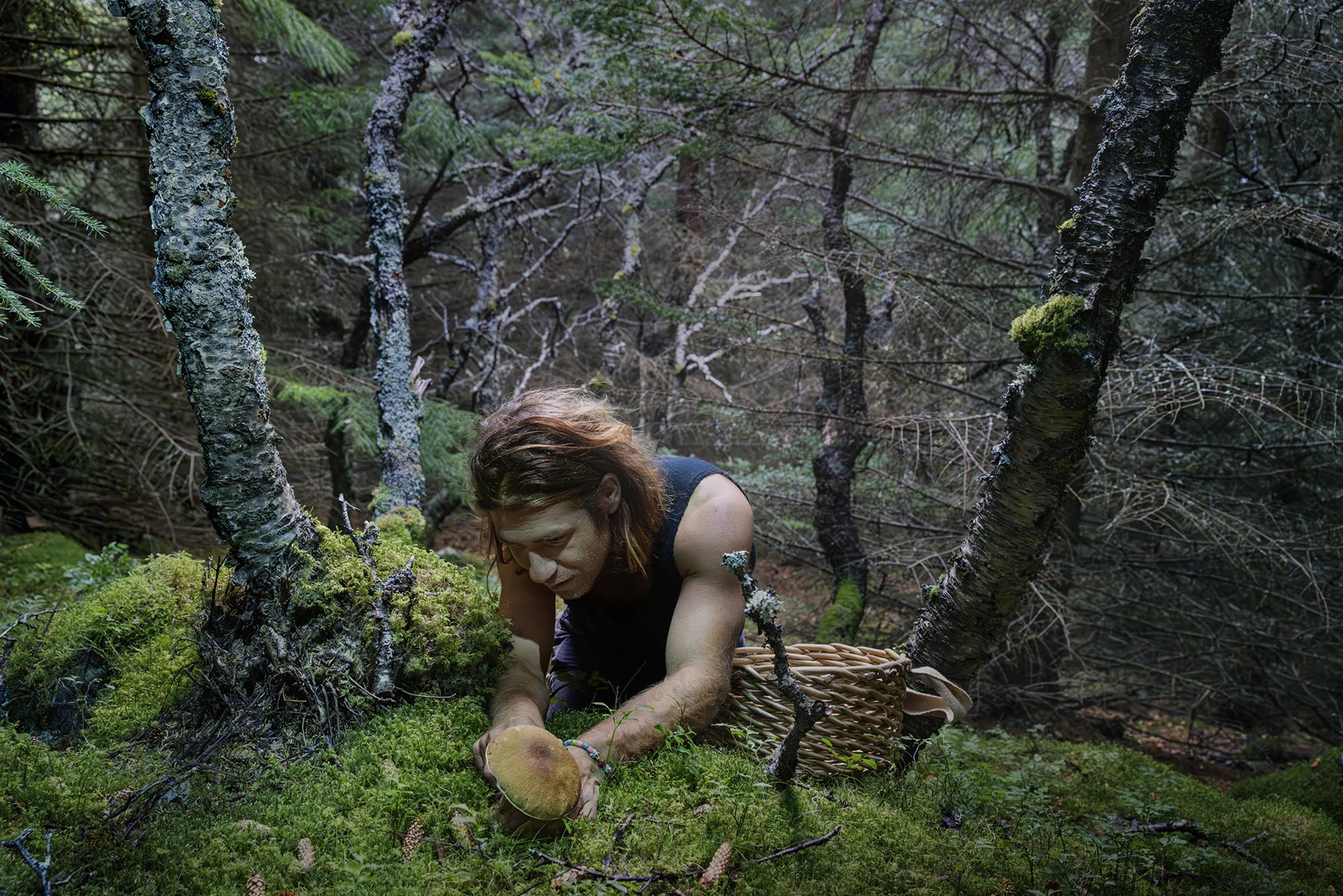
Parsa goes (barefoot) to the forest often to collect mushrooms. He has his secret spots in the forest of the island of Vestvågøy. These mushrooms Will be used for tomorrow pizza night at Polarhagen, one of the maine source of income for the farm during the summer season. This time he found Porcini, chanterelles, and hedgehog mushrooms.
Parsa goes (barefoot) to the forest often to collect mushrooms. He has his secret spots in the forest of the island of Vestvågøy. These mushrooms Will be used for tomorrow pizza night at Polarhagen, one of the maine source of income for the farm during the summer season. This time he found Porcini, chanterelles, and hedgehog mushrooms.
“Laboratoria” is a compilation of human-driven creative solutions addressing the challenges of the territory.
It is a visual project that documents the intersection of experimentation and knowledge to creatively address the urgent and emerging challenges of rural depopulation and environmental conservation through innovation.
The North Chapter has been carried out in the Arctic Polar Circle (Lofoten Islands, Norway).
Documentary project ongoing since 2021.
In Norway 400 farms are closing down every year. Young people are struggling to buy farms because of the expense. Lisa and Parsa are creating a vegan and biodynamic farm, Polarhagen, north of the Arctic Circle by transforming a former dairy barn into a greenhouse. Their dream is a new model of living, both for their own family, but also for their local community, the world and future generations.
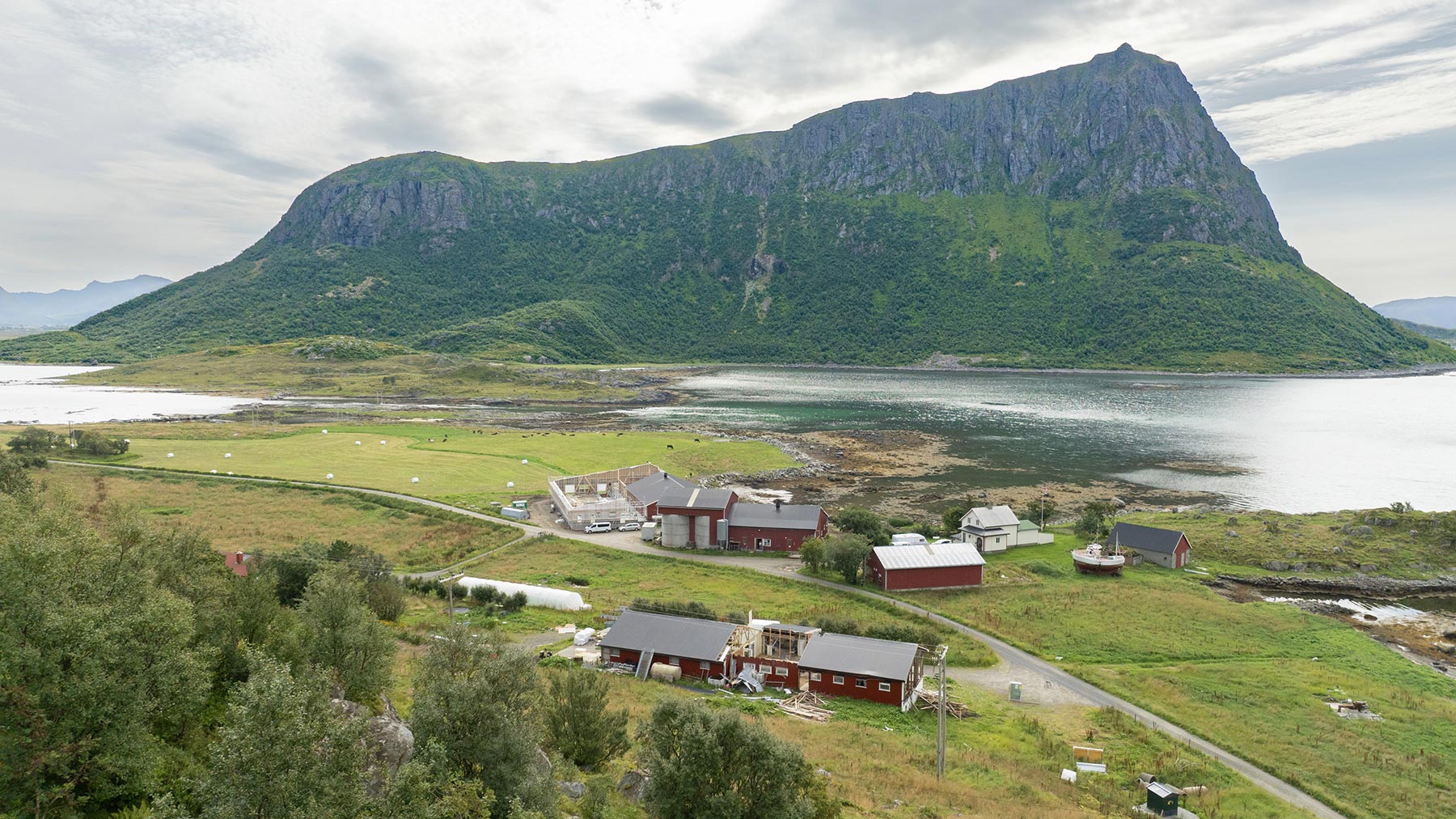
Aerial view of Polarhagen at Offersøykammen, in the Lofoten Islands of Norway.
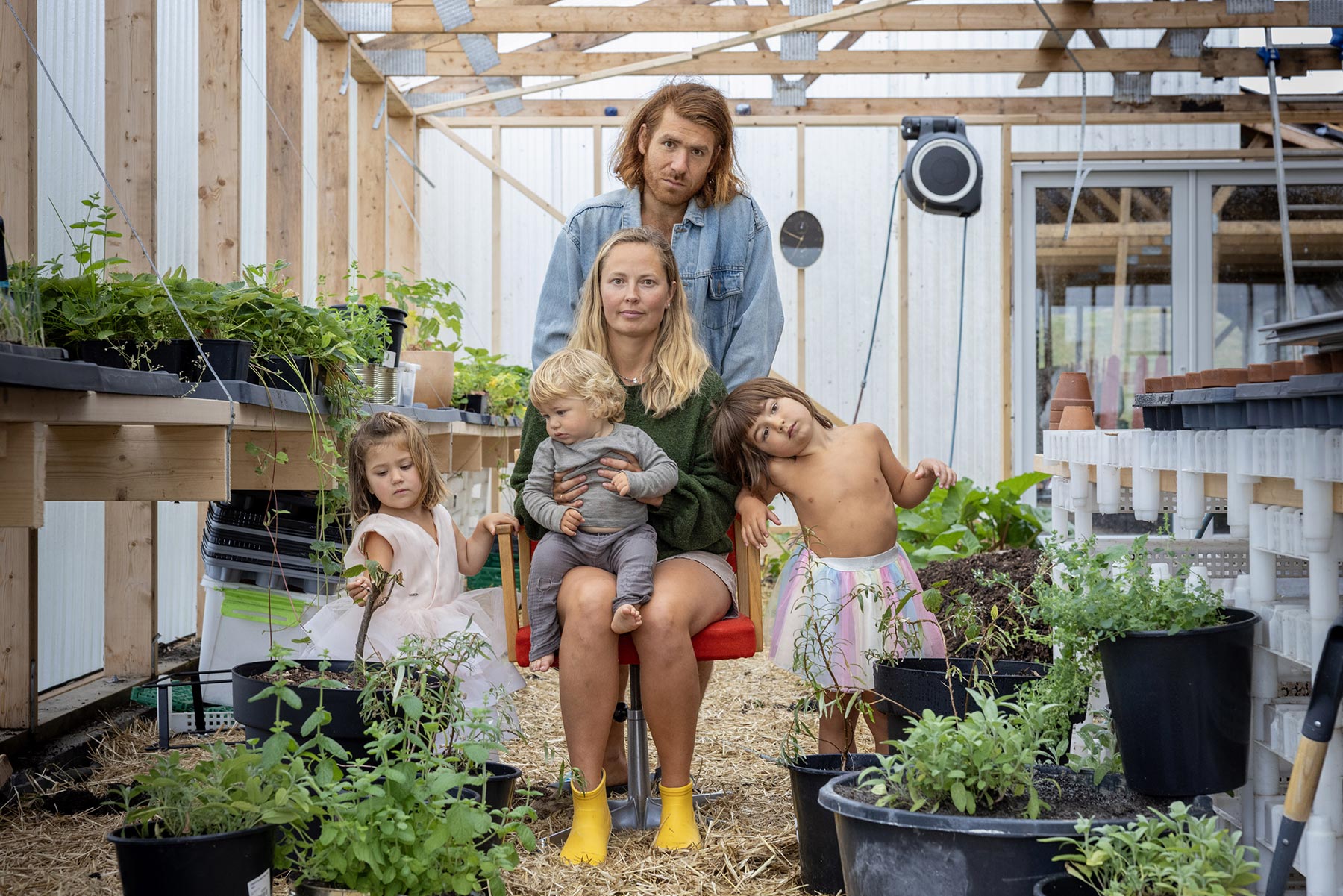
Parsa Massahi & Lisa Massahi, founders of the Polarhagen project, and their 3 children, Jord, Arda and Balder at the just transformed greenhouse in Polarhagen at Voie, in the Lofoten Islands of Norway.
Parsa Massahi & Lisa Massahi, founders of the Polarhagen project, and their 3 children, Jord, Arda and Balder at the just transformed greenhouse in Polarhagen at Voie, in the Lofoten Islands of Norway.
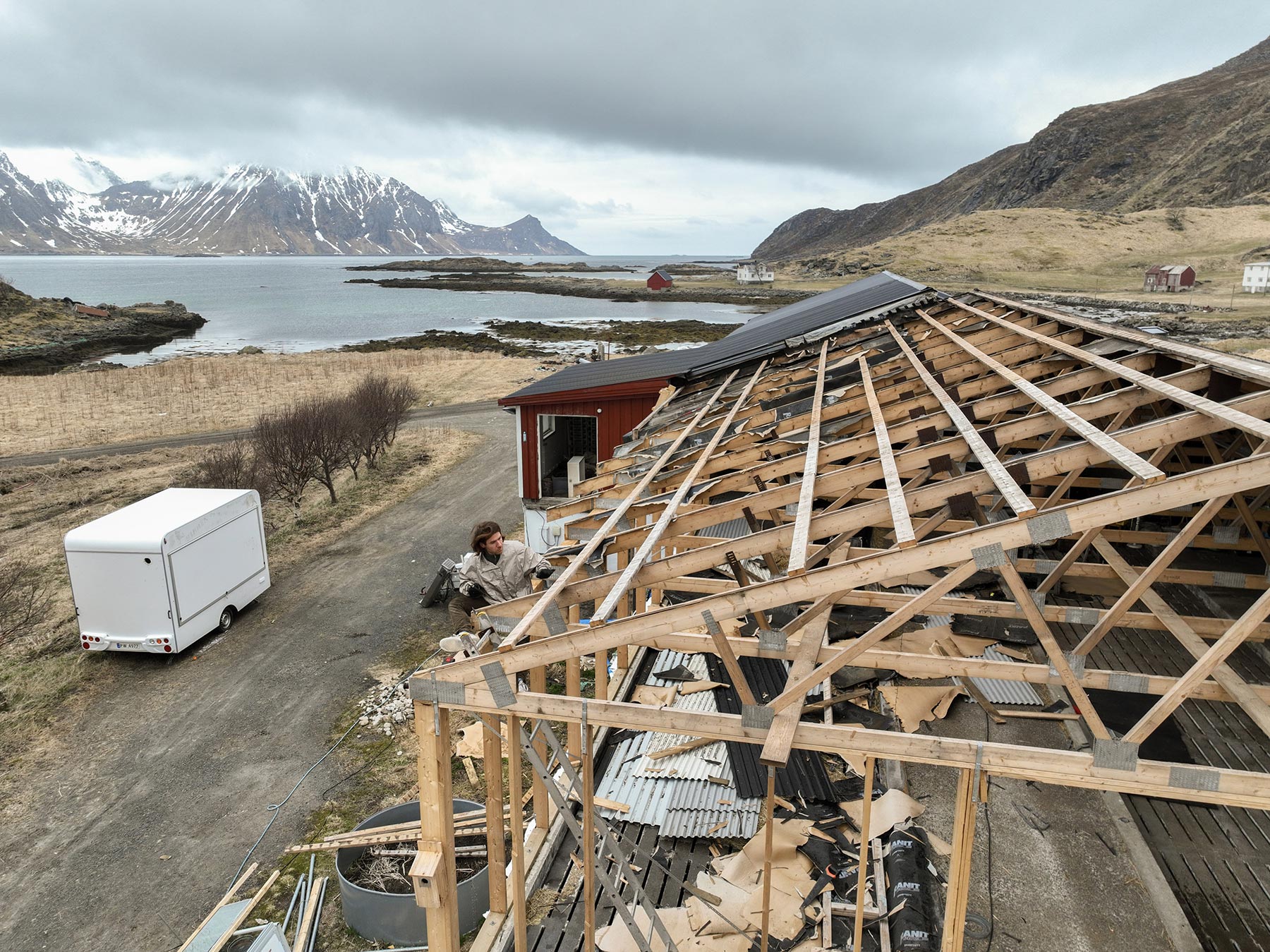
A dairy farm being refurbished into a greenhouse in Polar Hagen.
“We’re here in the north, and Norway has only 3% of the area of this huge country that is arable, where you can grow food. But this is not true. This is if you have big industrial agriculture and you have to get there with a tractor. But actually, again, the most efficient places is these Little small nooks where the sun hits a wall and stuff like this, and there’s this liittle microclimate. So here we want to show that arable land empower the people to do. So if the government helps with greenhouses, if the government helps vegetable farmers, then we can grow a lot more food than these just 3%. And so we’re turning this old barn that used to have dairy cows into a greenhouse.“ Parsa founder of Polar Hagen project claims.
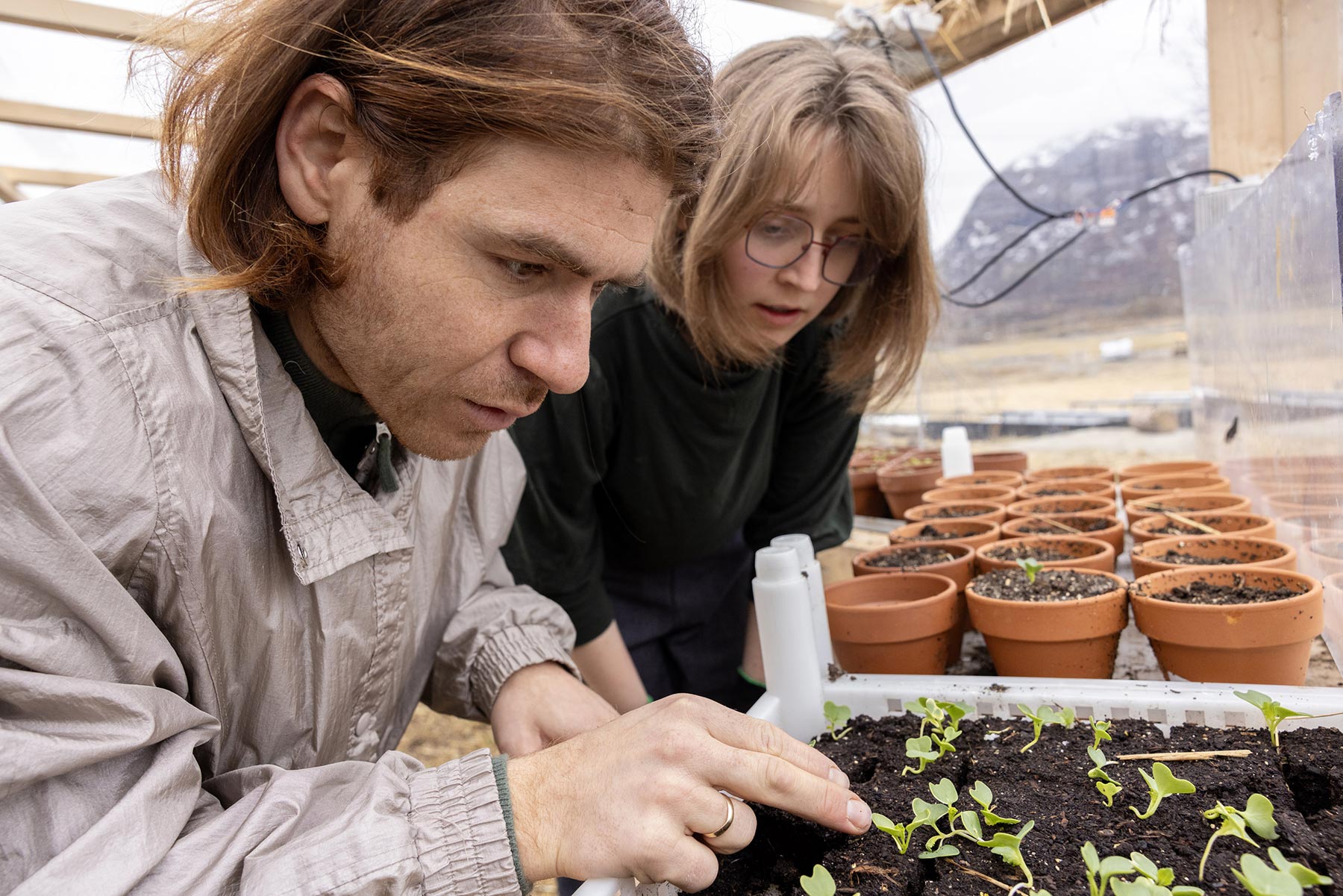
Parsa and Katrine are planting seeds at the “Herbatorium”, the first location for the plants before going to the big greenhouse.
Katrine Wagner Lærkesen Holm, Danish, is 22 and studies Physics in Denmark. She is here for a few months as an intern.
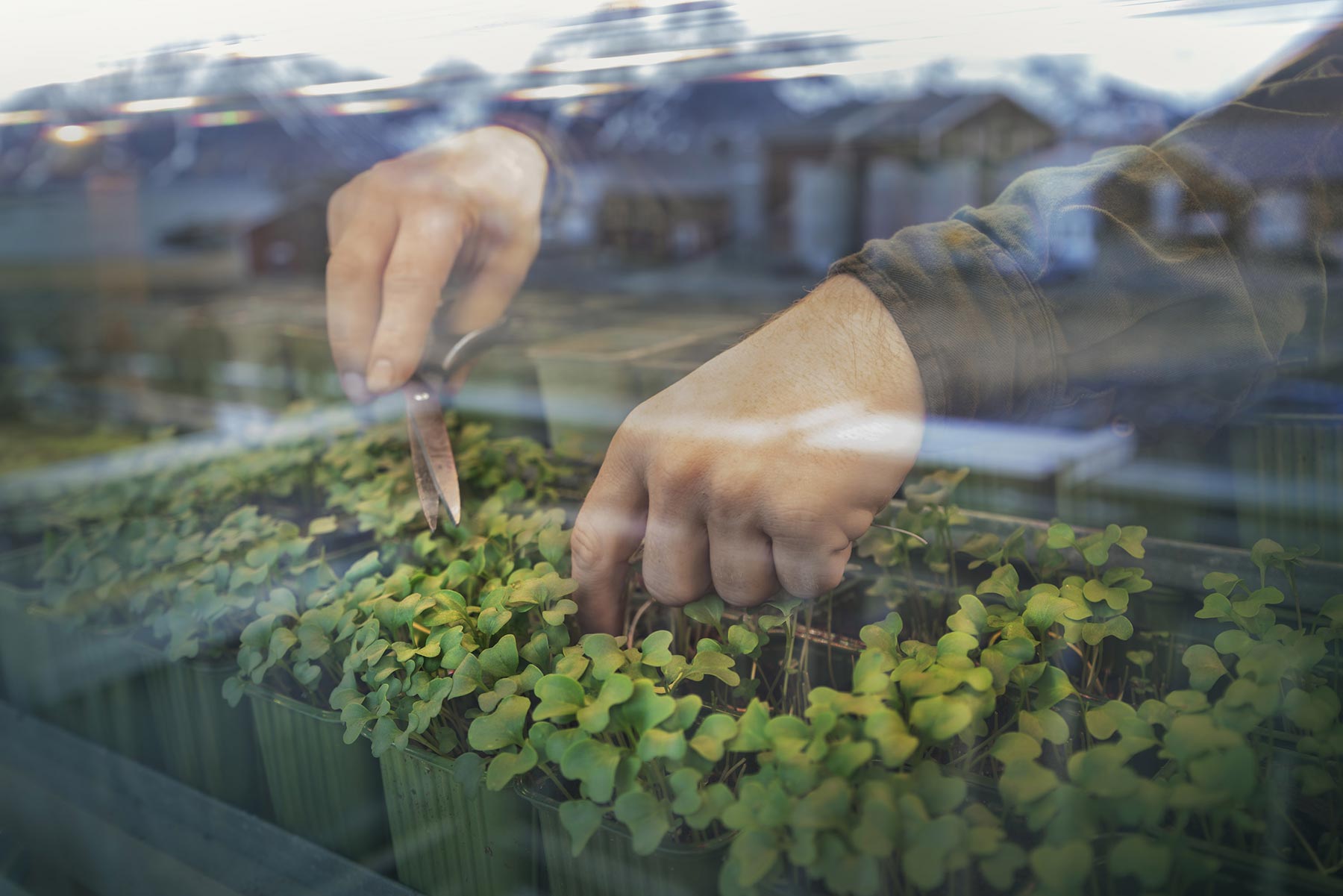
Parsa Massahi cuts fresh leaves from his young seedlings for a family dinner.
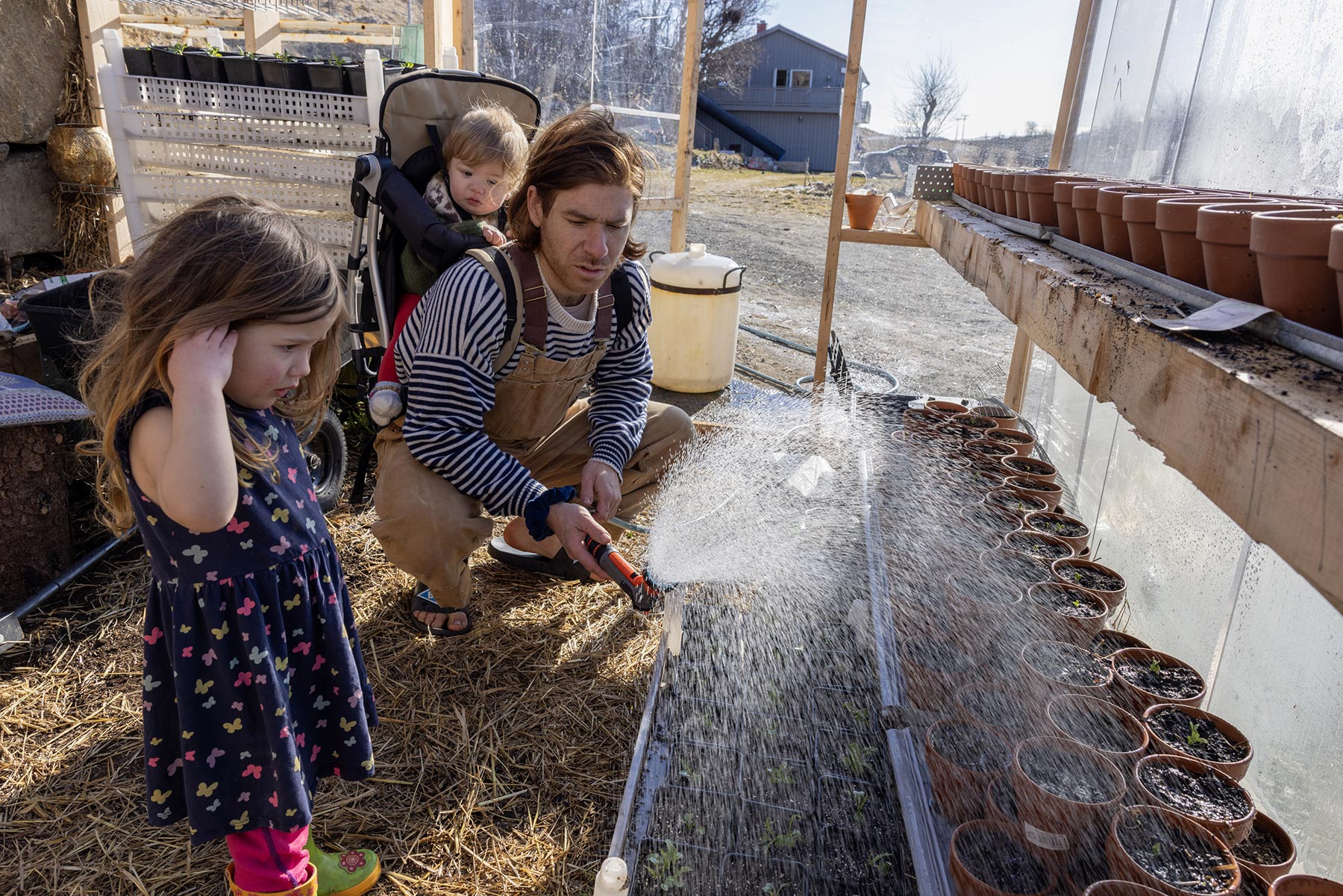
Parsa waters the seeds at the Herbatorium on a weekend day along with his children Jord and Arda.
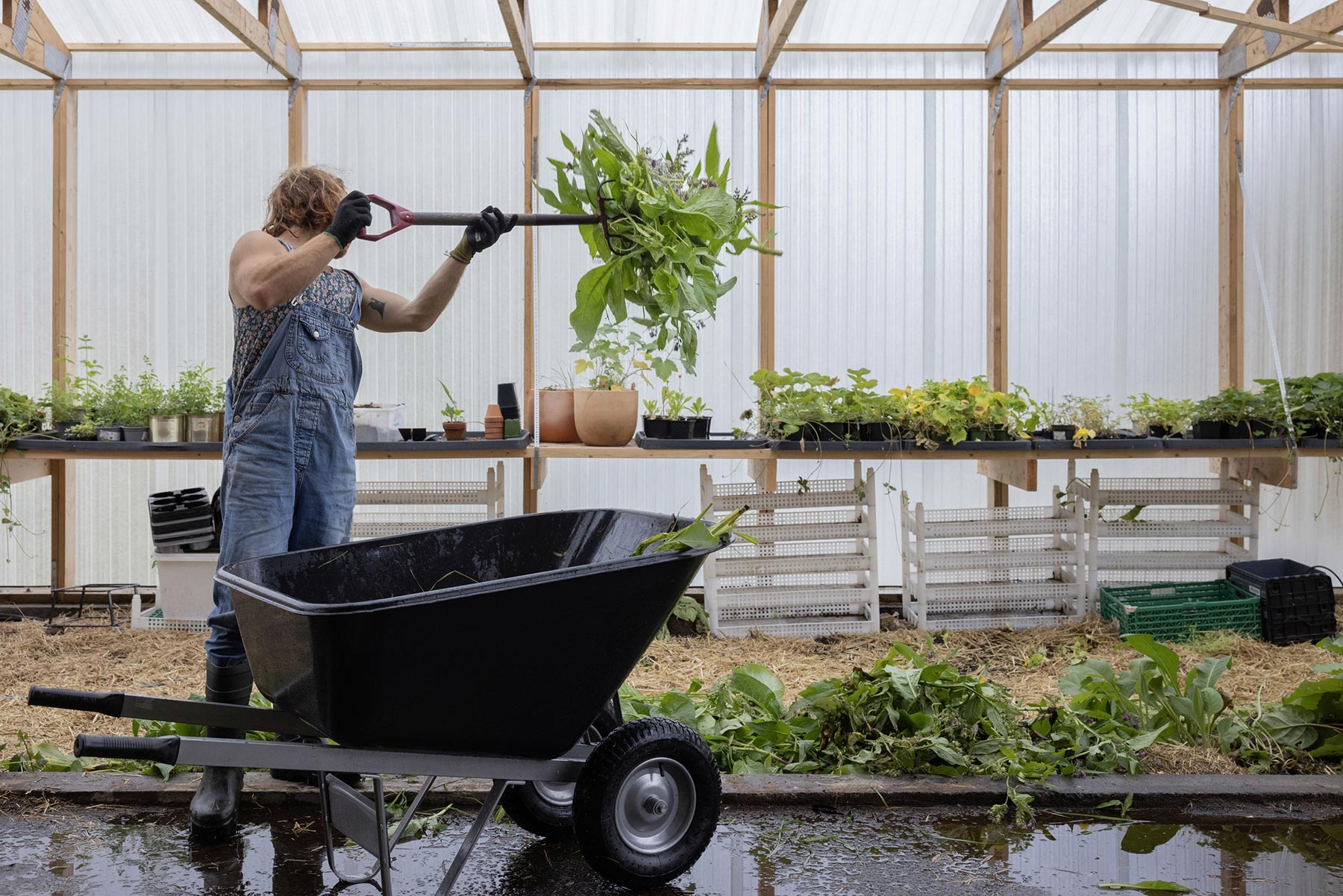
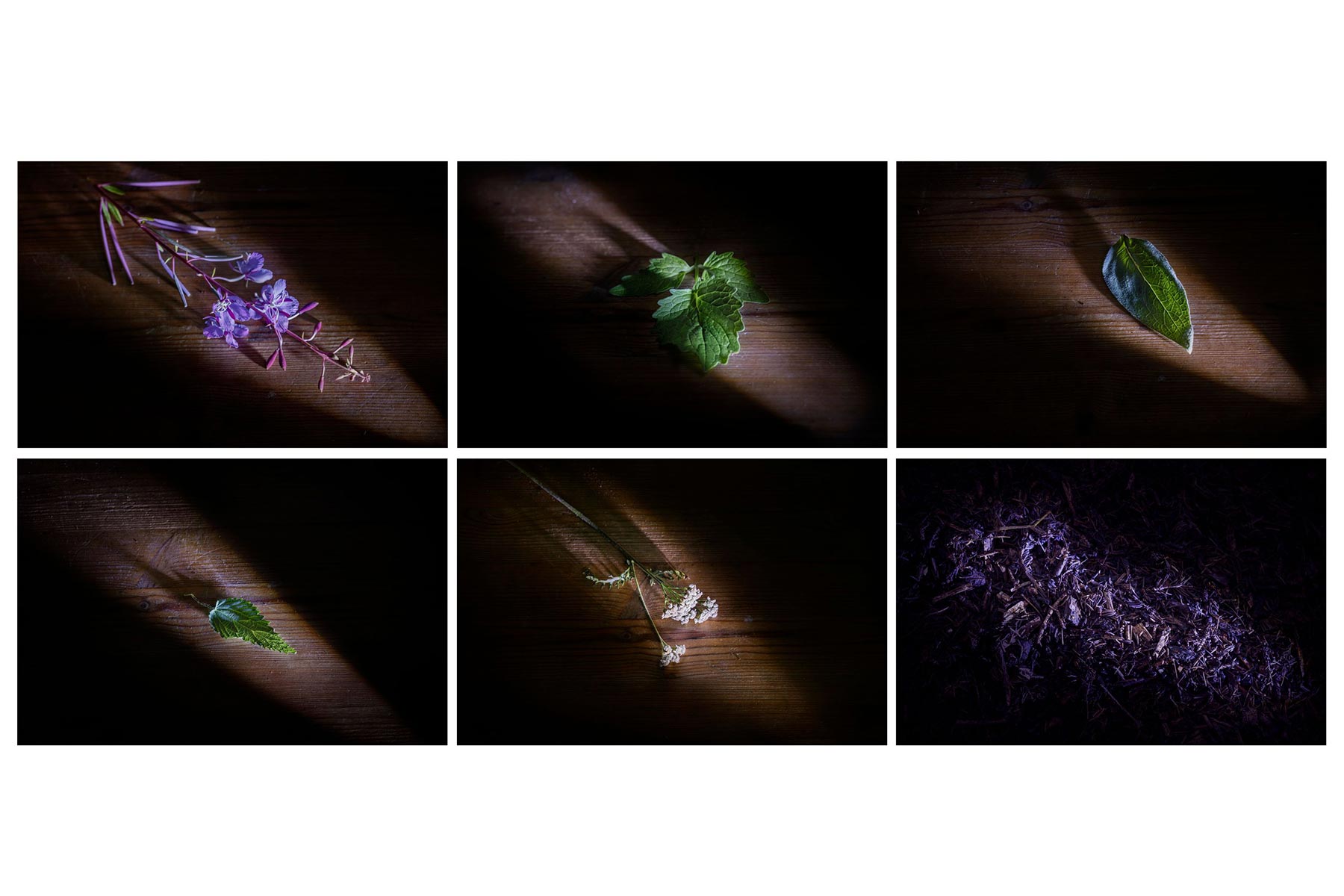
Parsa prepares compost based on biodynamic guidelines but only plant-based, avoiding any production animal use. Yarrow, dandelion, nettles, comfrey and seaweed. Apart from that ramial chipped wood, wood litter, and clay.
Parsa prepares compost based on biodynamic guidelines but only plant-based, avoiding any production animal use. Yarrow, dandelion, nettles, comfrey and seaweed. Apart from that ramial chipped wood, wood litter, and clay.
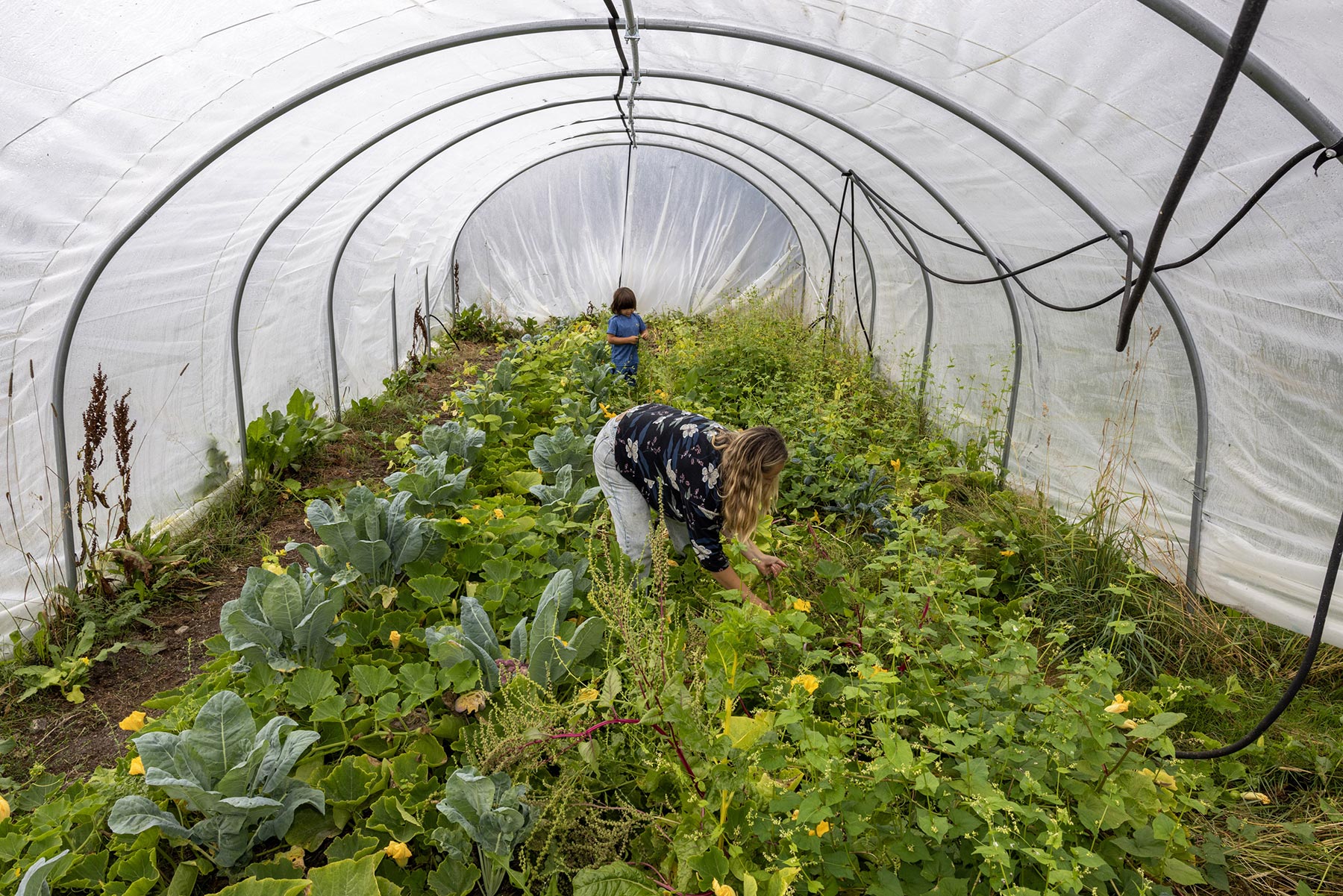
Lisa takes care of the caterpillar tunnel vegetable production. This season she planted rainbow chard, red cauliflower, kale, lovage, parsley, dill and hokkaido. She is harvesting today because she has been requested fresh veggies to chef Richard Cox at Holmen restaurant. They charged 1500 Nowegian crones (127 € aproximately) for the basket.
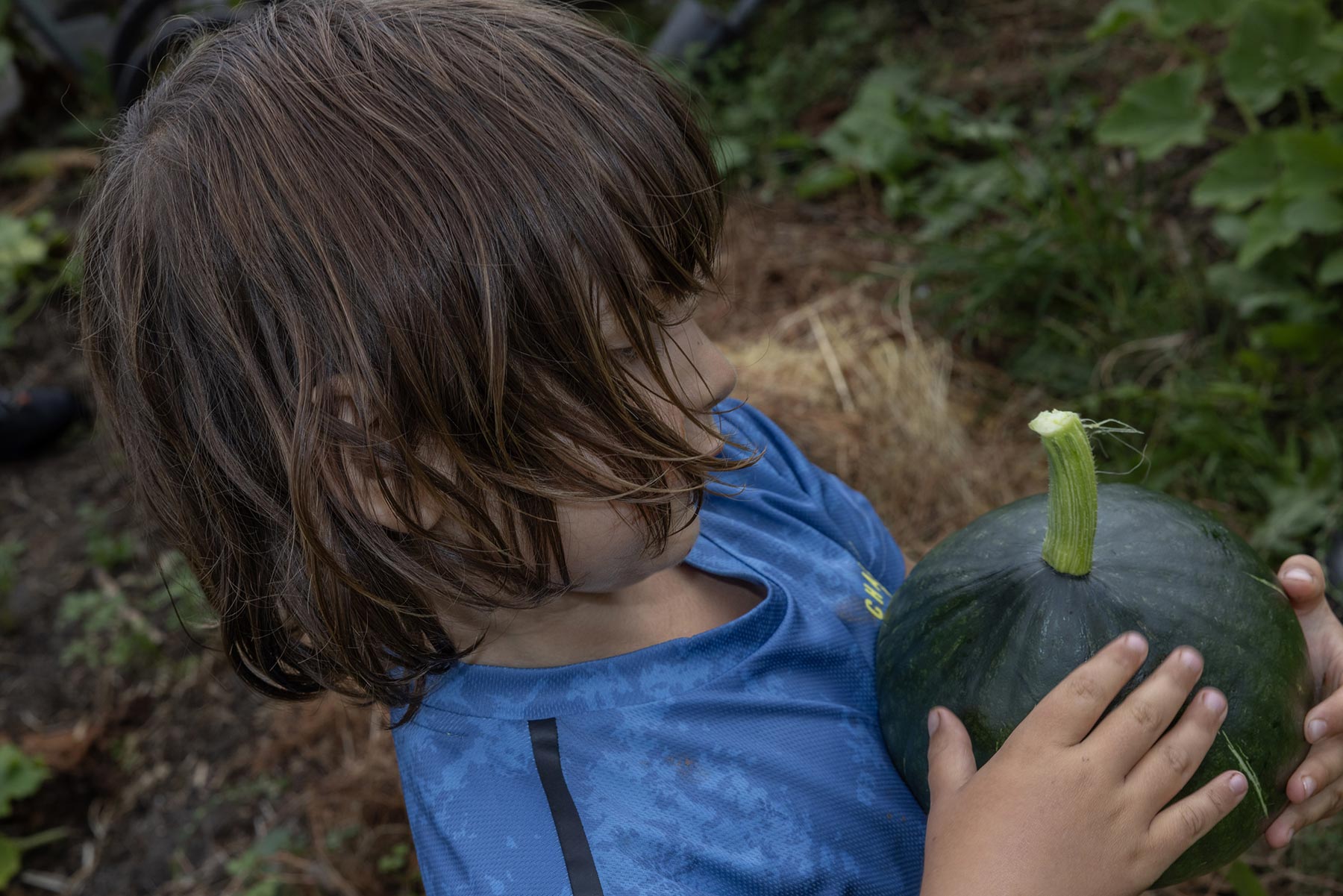
Balder, Parsa and Lisa’s eldest son, holds a pumpkin that Lisa just harvested.
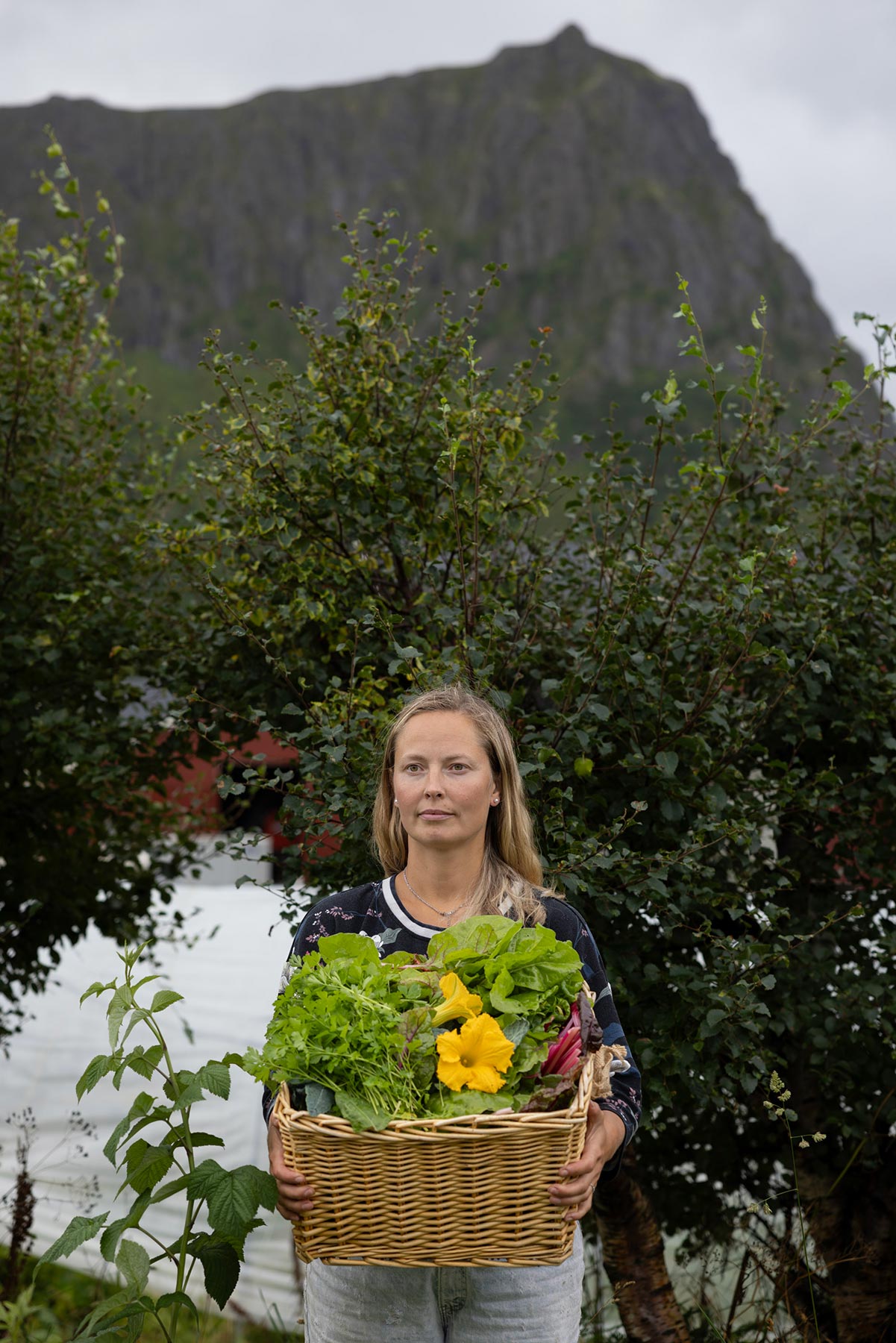
Lisa shows the basket of fresh veggies just collected at the caterpillar tunnel production. She is harvesting today because she has been requested fresh veggies to chef Richard Cox at Holmen restaurant, a nearby business. They charged 1500 Norwegian crones (127€ approximately) for the basket.
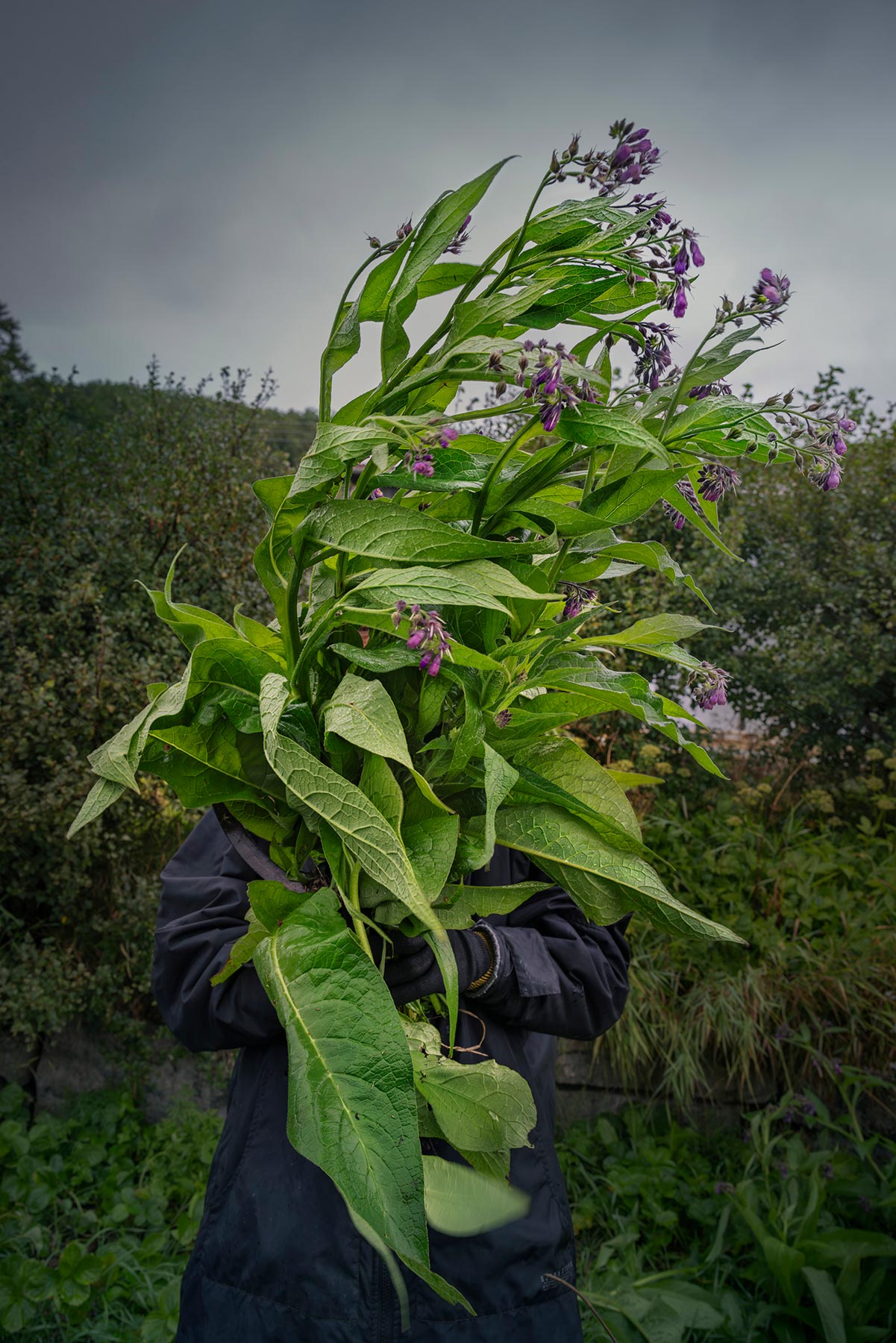
Parsa just collected some plants for the compost that he will prepare based on biodynamic guidelines but only plant-based, avoiding any production animal use.
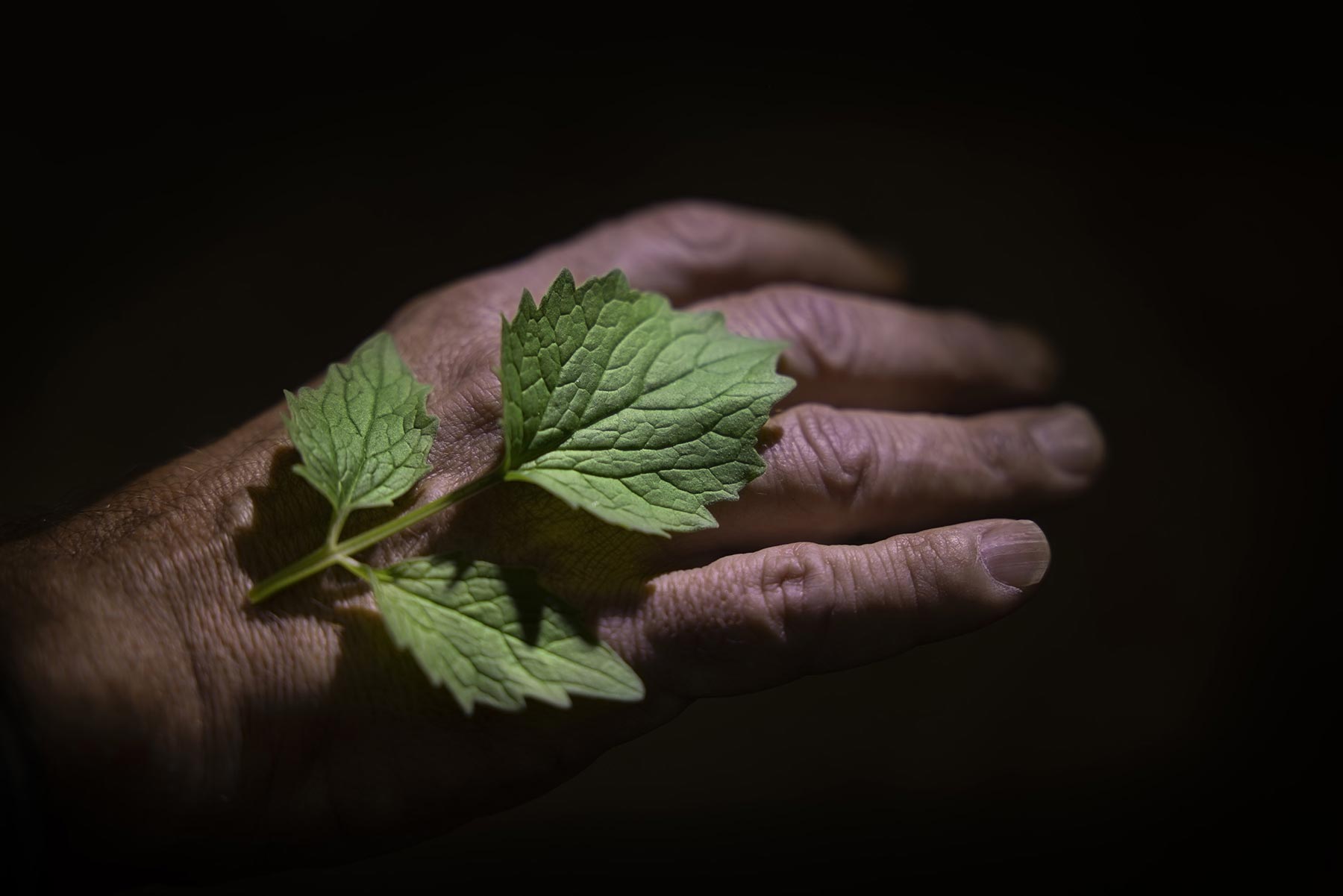
Nettle leaf, used in biodynamic compost preparation.
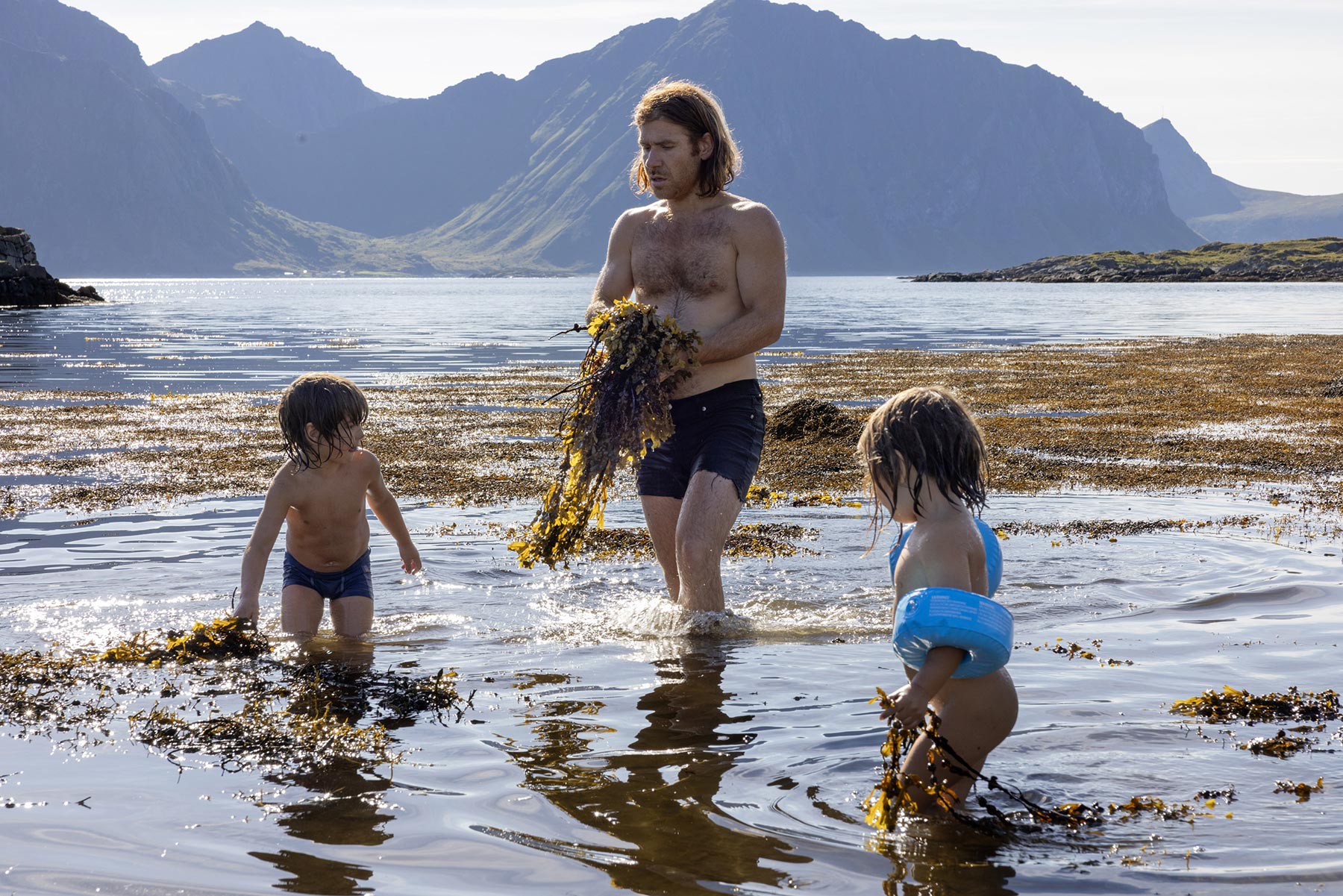
Parsa, Balder and Arda collecting seaweed from their nearby beach: Nappstraumen, (the 4th strongest in the world) 200 kilometers away from the strongest tidal currents in the world: Saltstraumen (1).
Parsa, Balder and Arda collecting seaweed from their nearby beach: Nappstraumen, (the 4th strongest in the world) 200 kilometers away from the strongest tidal currents in the world: Saltstraumen (1).
(1) https://en.wikipedia.org/wiki/Saltstraumen
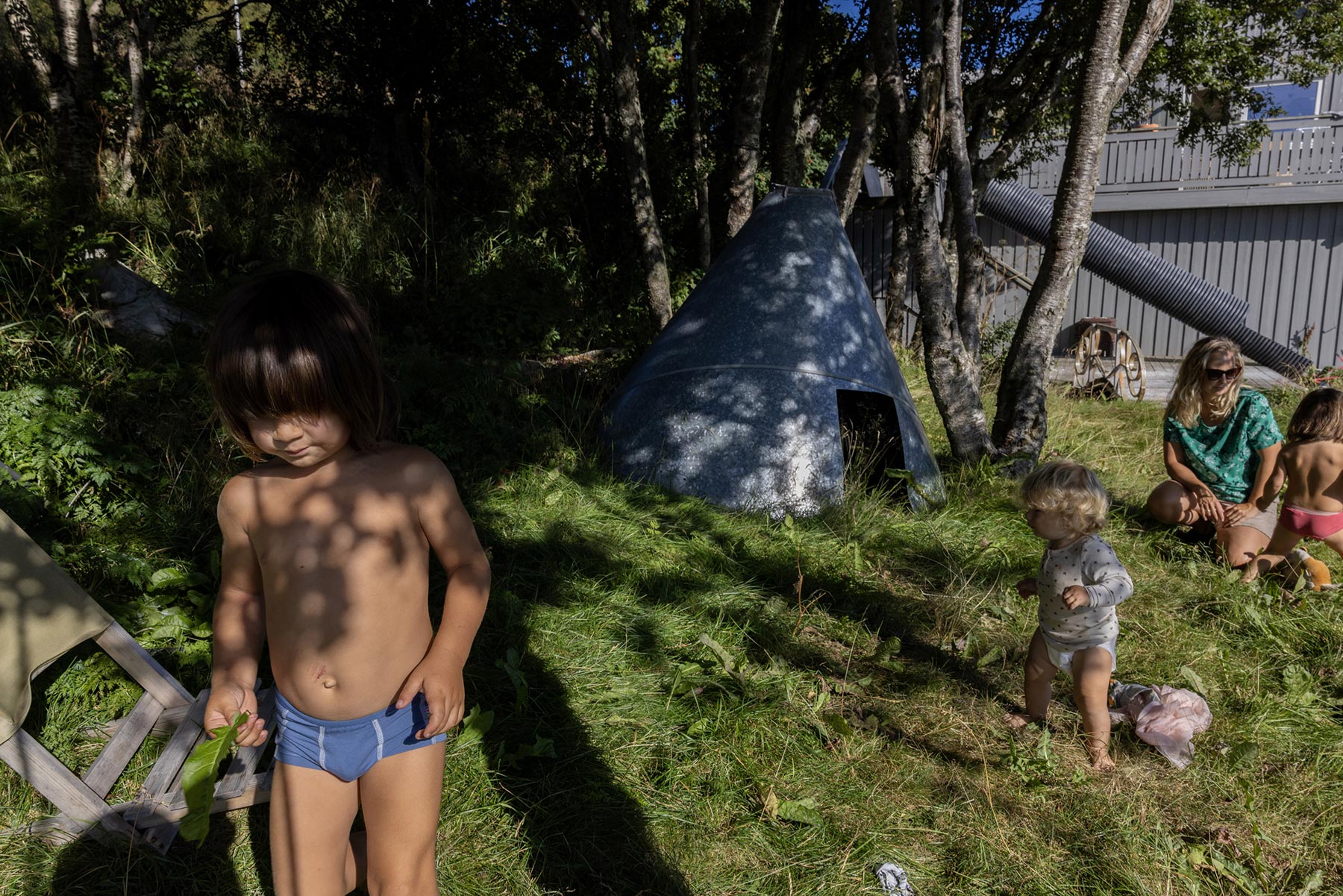
The metal cone used in the dairy farm being reused as a tent for the children to play.
“We’re keeping the structure (of the old barn and dairy farm), the construction, we’re just taking off the outside layers and changing them with transparent outside layers, so it’s functions as a greenhouse. This is also to show the transition from animal-dominated agriculture into plant based agriculture. We don’t have to take all of the expensive infrastructure and all the resources that is already there and just throw them away.” Parsa’s states about the philosophy that runs Polarhagen.
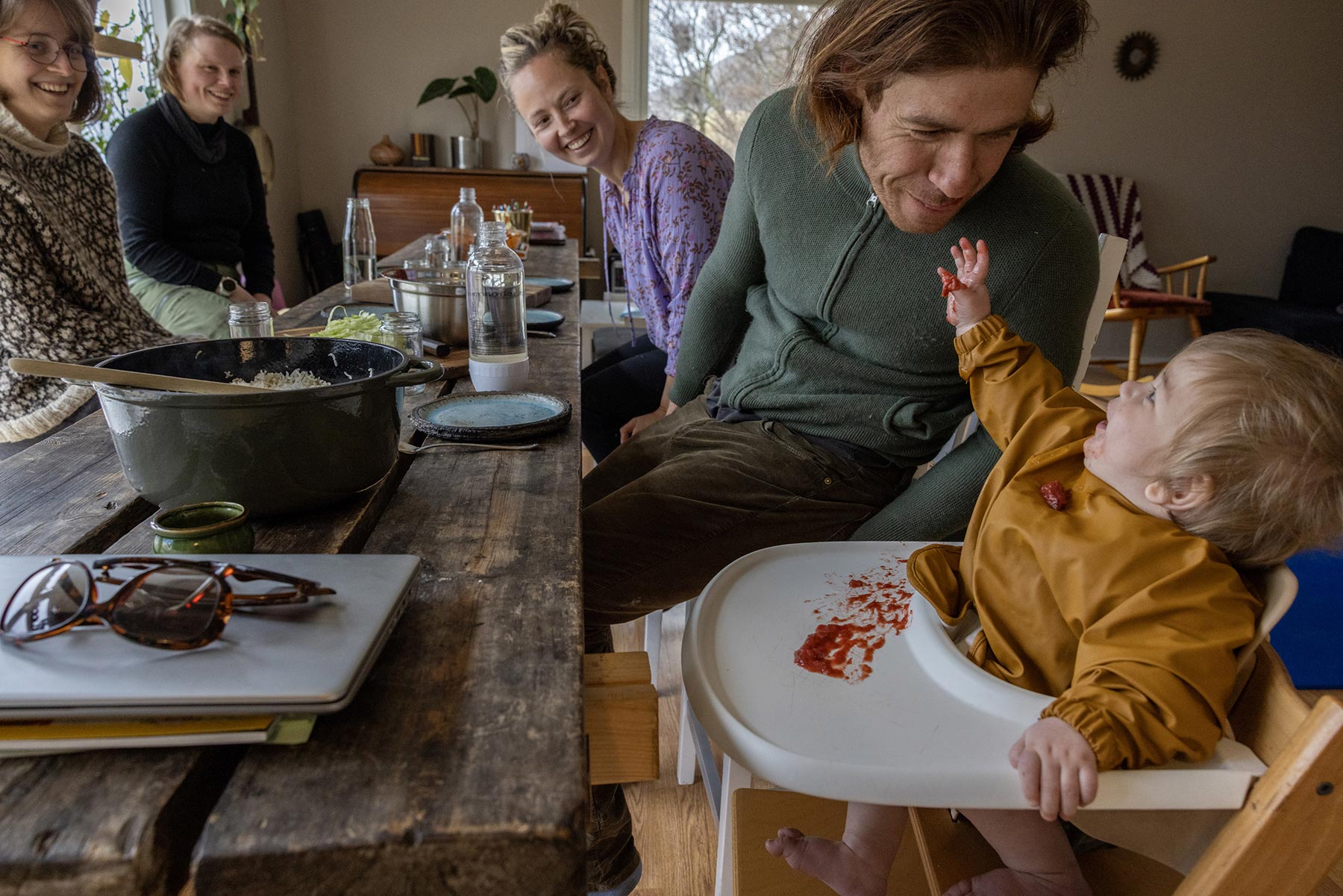
The basement of the house has three extra rooms that are used as an Airbnb. One is usually used by a long-term intern and the others are rented on a daily basis. They have a shared kitchen and a bathroom. This is part of the Polarhagen income all year round.
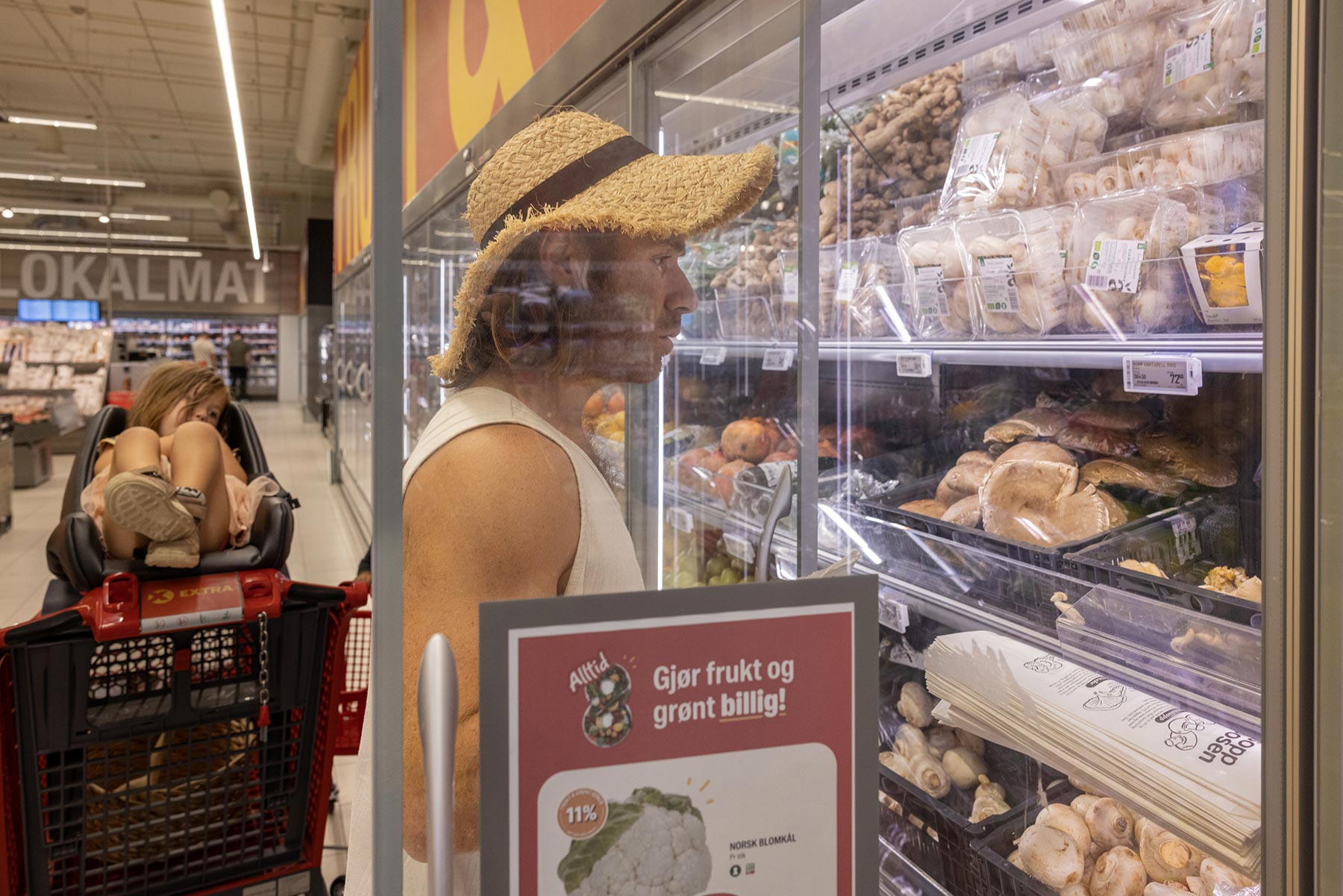
Polarhagen wants to be a closed sustainable system but that is not posible for the moment. Even though he will use as many resources available, he requires to go to supermarket to get all the necessary ingredients for the 20 pizzas he will prepare tonight for his guests.

5W. Spain. Un invernadero en la cima del mundo. April 2025
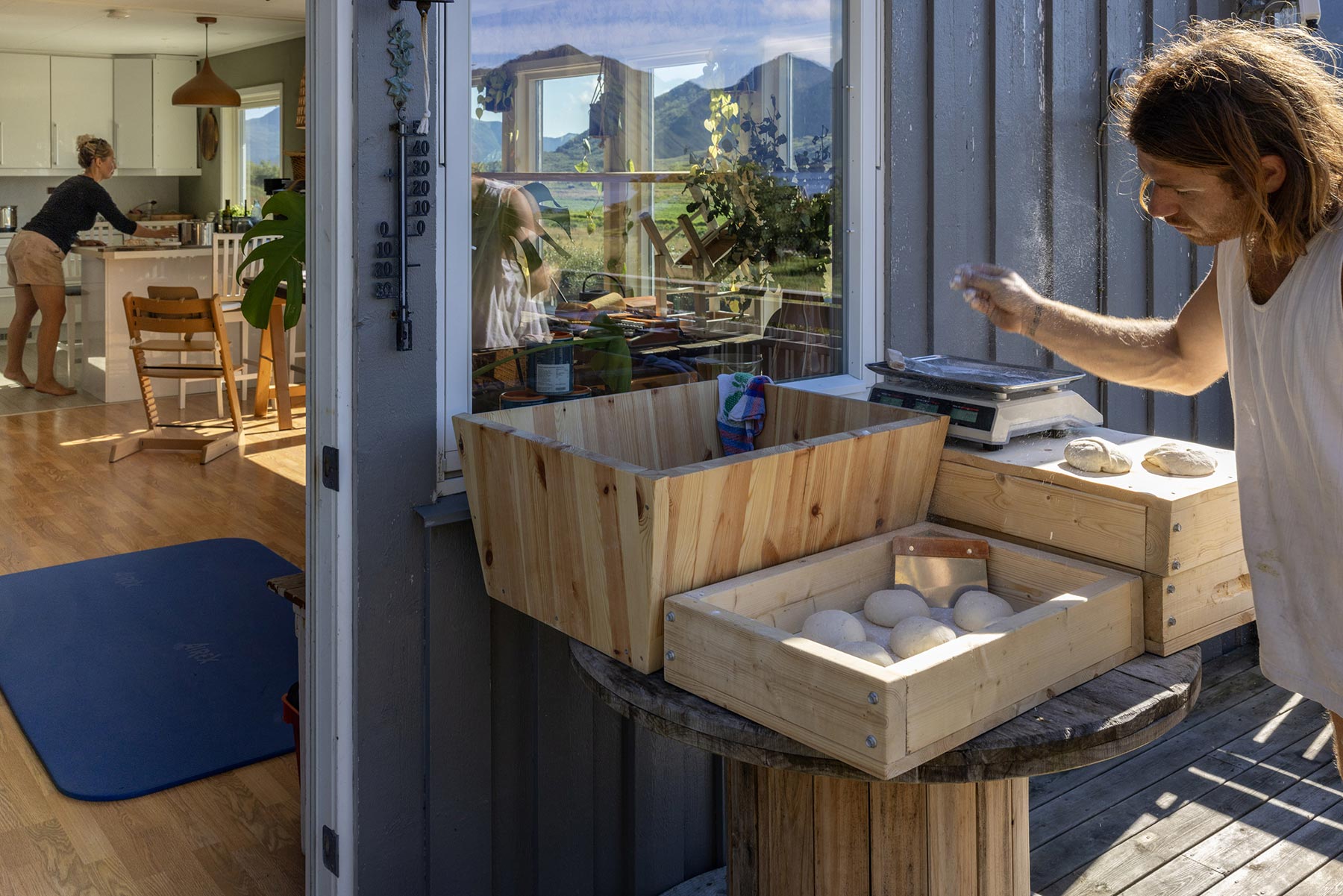
Parsa prepares the pizza dough at the terraceo f the house for tonight´s pizza event while Lisa prepares lunch for the family. The maine source of income during the summer seasons are the pizza events.
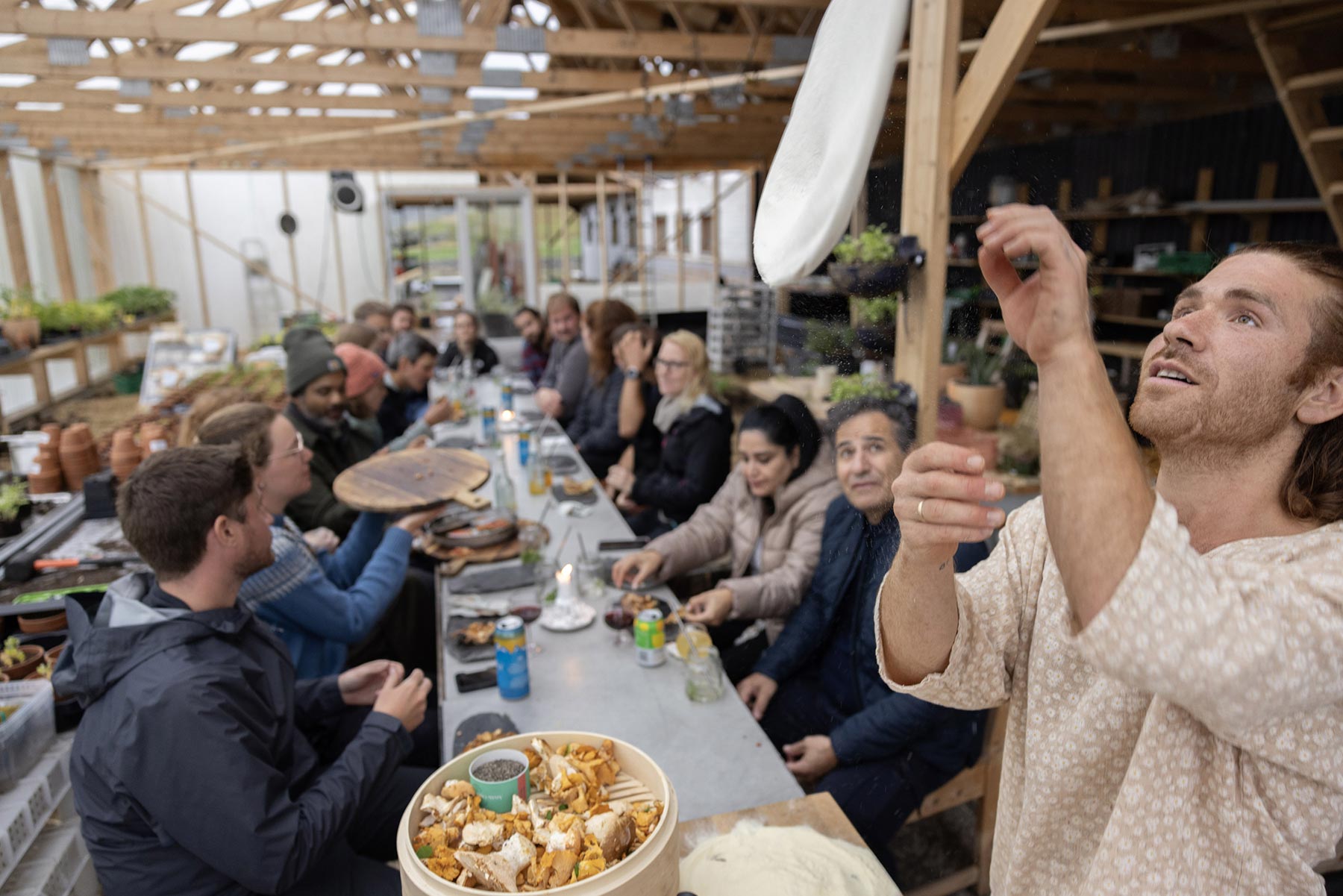
Parsa’s parents, his father from Iran, had a pizza restaurant for a few years in Denmark outside of Odense. Tonight his father Mohammed Massahi and wife Arezoo are attending the pizza event, along with a group of visitors most of them spending their summer in the Lofoten Islands.
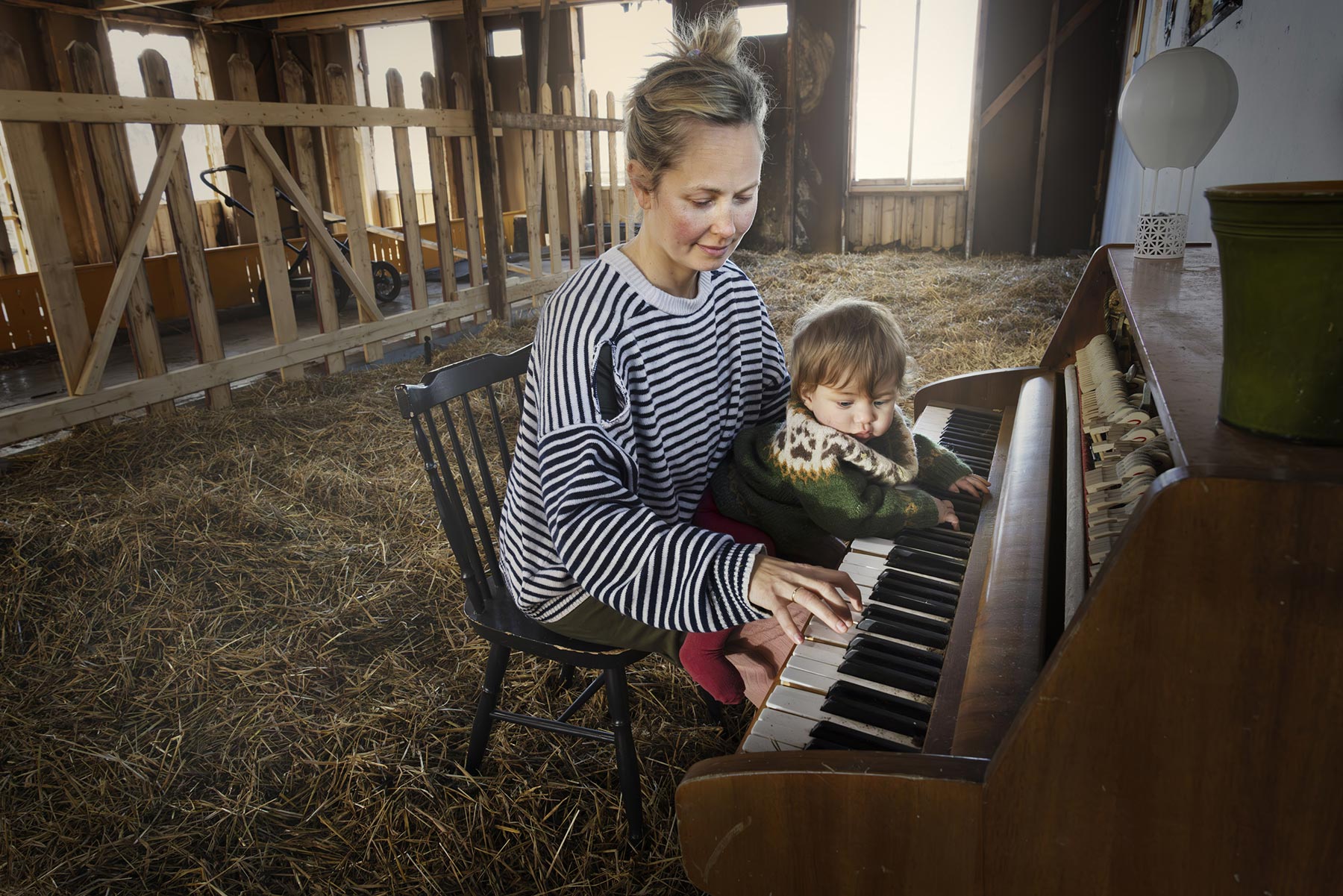
Lisa plays the piano that belonged to her family, now at the greenhouse.
Both Lisa’s parents, from Russia, are professional musicians. Her mother is a pianist and her father is a violinist.
Lisa plays the piano that belonged to her family, now at the greenhouse.
Both Lisa’s parents, from Russia, are professional musicians. Her mother is a pianist and her father is a violinist.
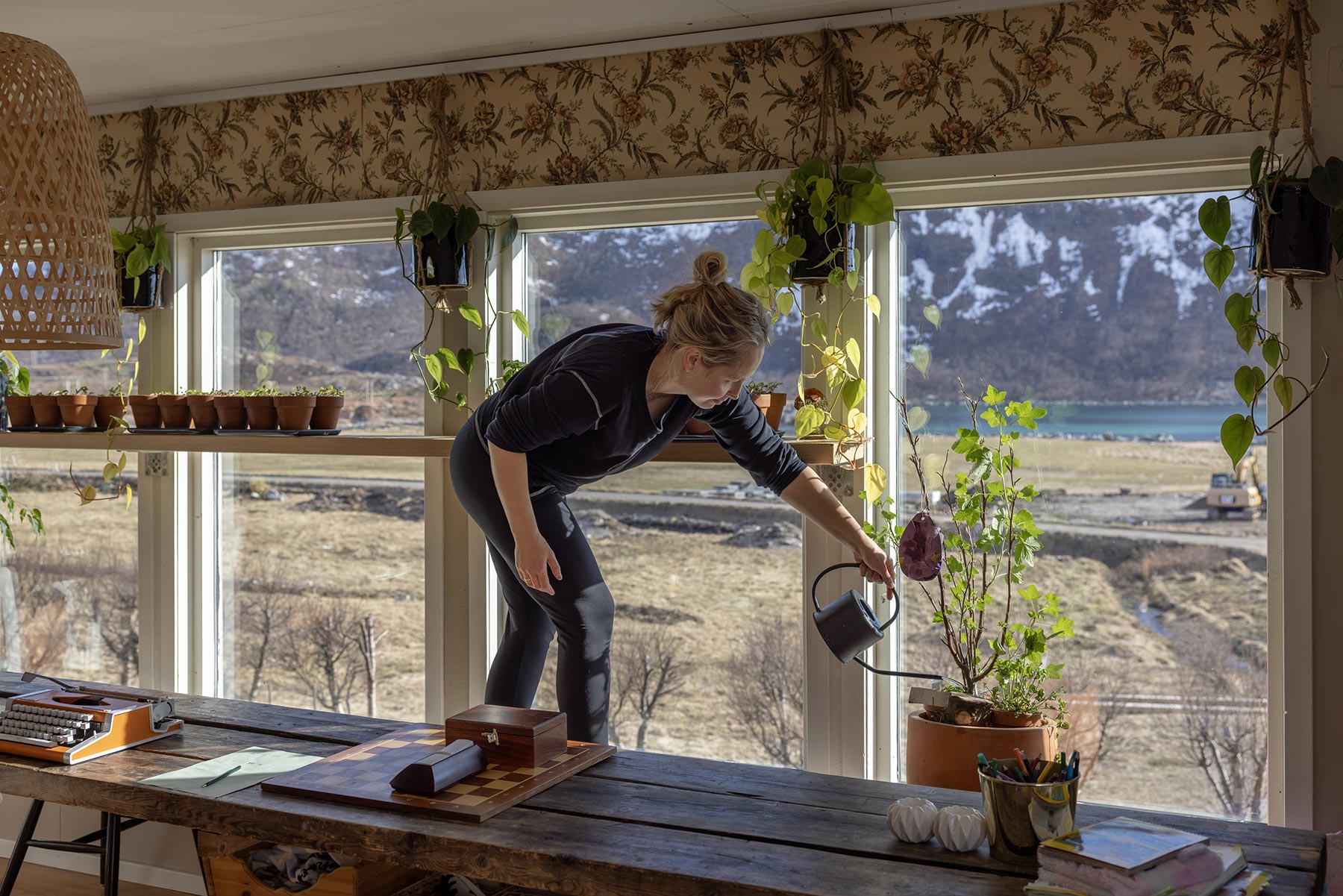
Lisa Massahi waters the living room plants.
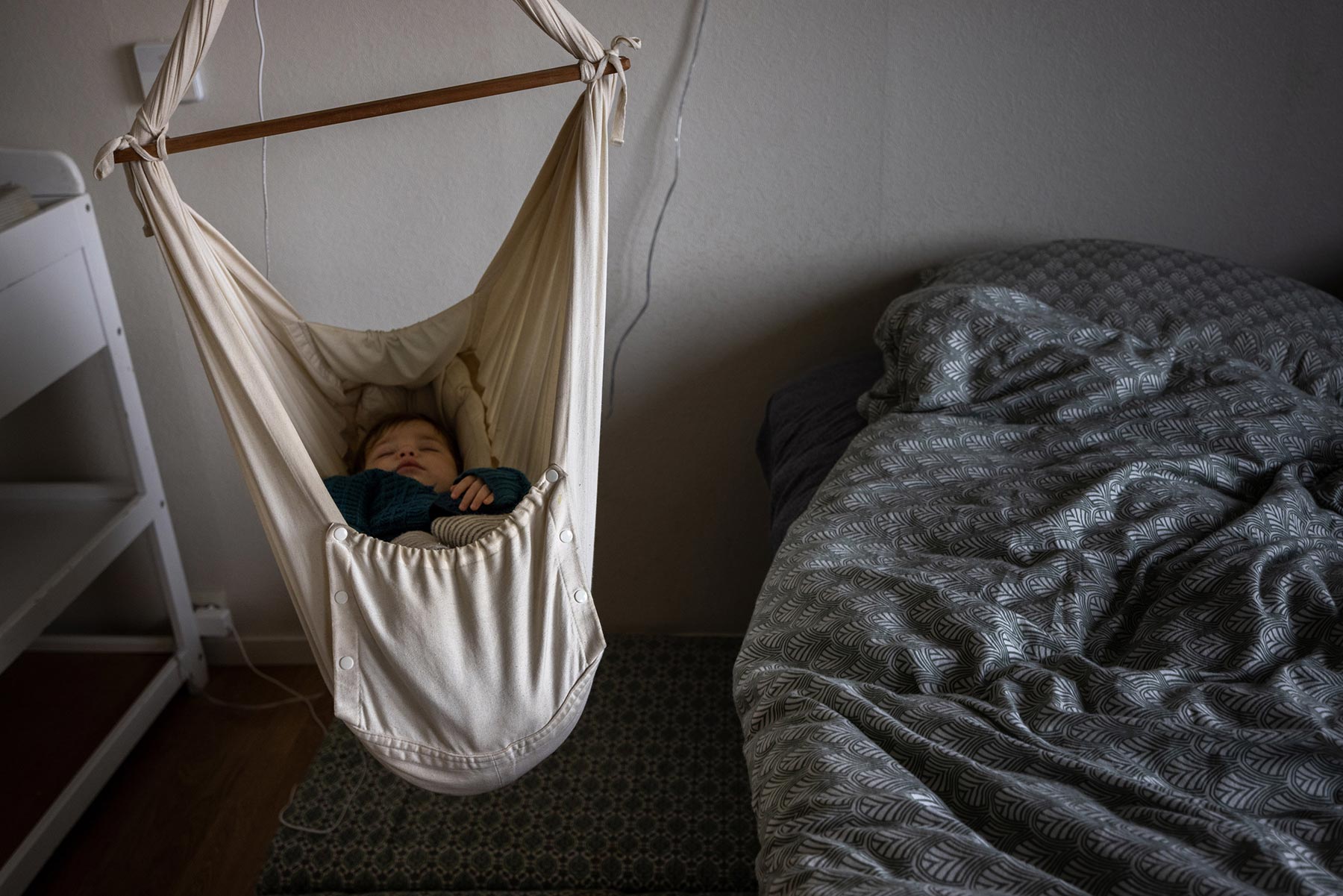
Jord, the youngest of three, 9 months old, sleeps his nap in Parsa Massahi and Lisa Massahi’s bedroom.